Key Points Covered in this Webinar:
- Women are increasingly shaping philanthropy by aligning giving with personal values, purpose, and long-term impact.
- Clarifying a philanthropic vision first makes giving more intentional, meaningful, and sustainable over time.
- Tax-smart strategies, such as appreciated stock, donor-advised funds, and qualified charitable distributions, can significantly increase charitable impact while reducing taxes.
Women are fundamentally reshaping what philanthropy looks like—not just by how much they give, but by how they give.
Transcript
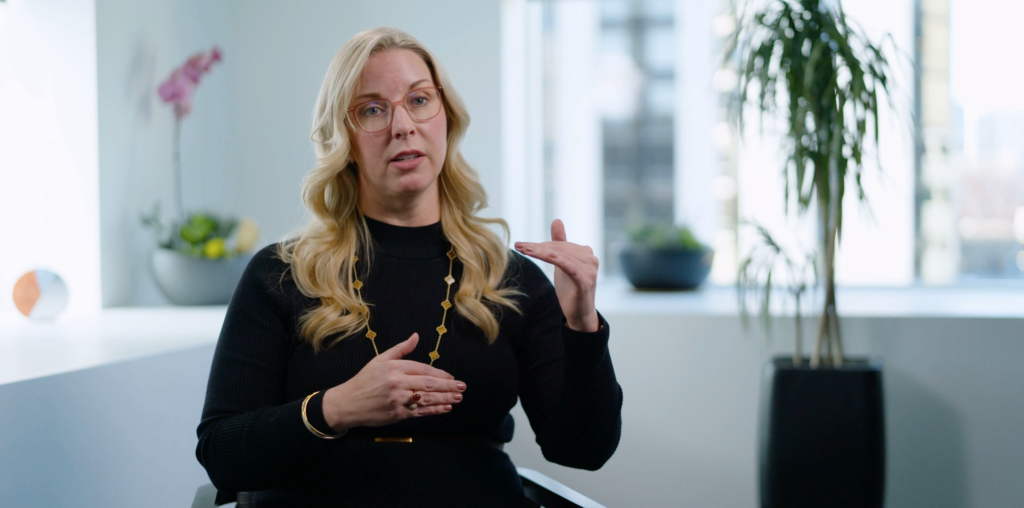
Hello, everyone. Thank you so much for joining today’s webinar. I am Laura Combs, head of our women and wealth practice here at Mercer Advisors, and I am so glad you’re joining us today.
We’ve titled today’s conversation, “Give smart. Gain impact”, and that is intentional because for many women, philanthropy is deeply personal, but it’s also incredibly strategic. It’s not just about generosity, but it’s about thinking about purpose, clarity, and confidence so that your giving is actually doing what you intend it to do. We’re gonna be covering a lot today, but wanna make sure that you understand that today’s conversation is for educational purposes only. If you do have questions specifically about any of the strategies that we discuss, I would recommend that you speak with your wealth advisor at Mercer Advisors or contact our team to learn more about these strategies and how we can start getting helping you today.
So we are focused this month on Women’s History Month, and it feels especially fitting to be talking about the role women play in shaping families and communities and legacies through thoughtful philanthropy.
And as you can see here, there are some stats about women that I wanna just draw your attention to. Women tend to live significantly longer than men. On average, women live over eighty years, whereas men only live about close to seventy five. So there’s something that we need to think about in our longevity and how we impact giving.
The other thing that we are in the middle of is the great wealth transfer. If you’re not familiar with this, this is the idea that trillions of dollars are moving into the hands of women over the next decade. And this shift really comes with a lot of opportunity, responsibility, and most importantly, some decisions that you can be making. And today’s conversation is about helping you feel equipped for that moment.
Because for many of you, ninety five percent of women will be the family’s primary decision maker at some point in their lifetime. So having a good understanding around giving and impact is what we’re gonna be focusing on in today’s conversation.
And at Mercer Advisors, women and wealth is not a campaign. It’s a commitment. And we built this practice because women’s financial lives, we wanna make sure that they have decision making paths and their priorities are different, And they deserve planning that reflects that reality. And we really want to highlight some of the work that we do specifically for women as you can see here. And we’re gonna talk today about specific strategies that help women maximize their philanthropic impact.
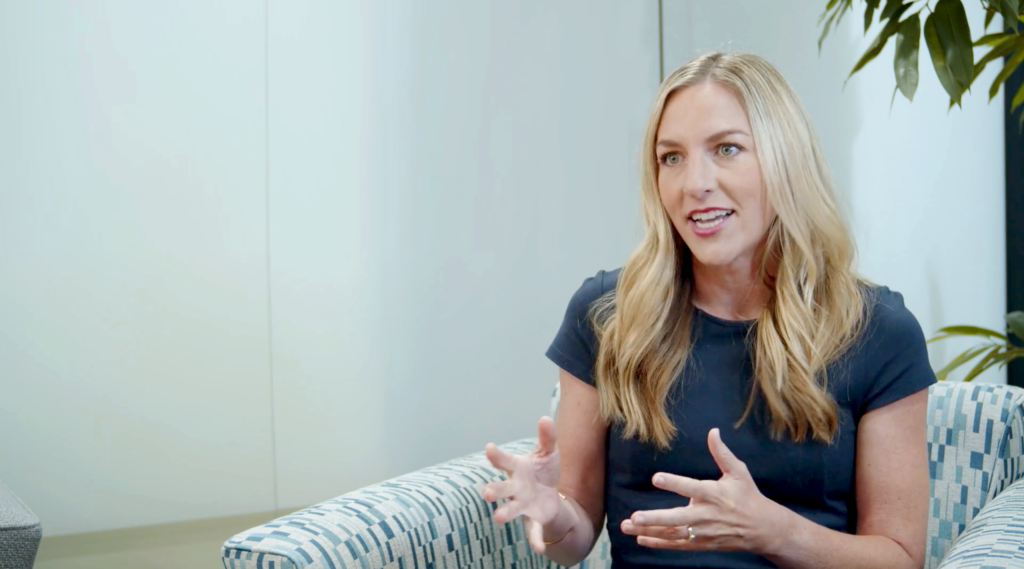
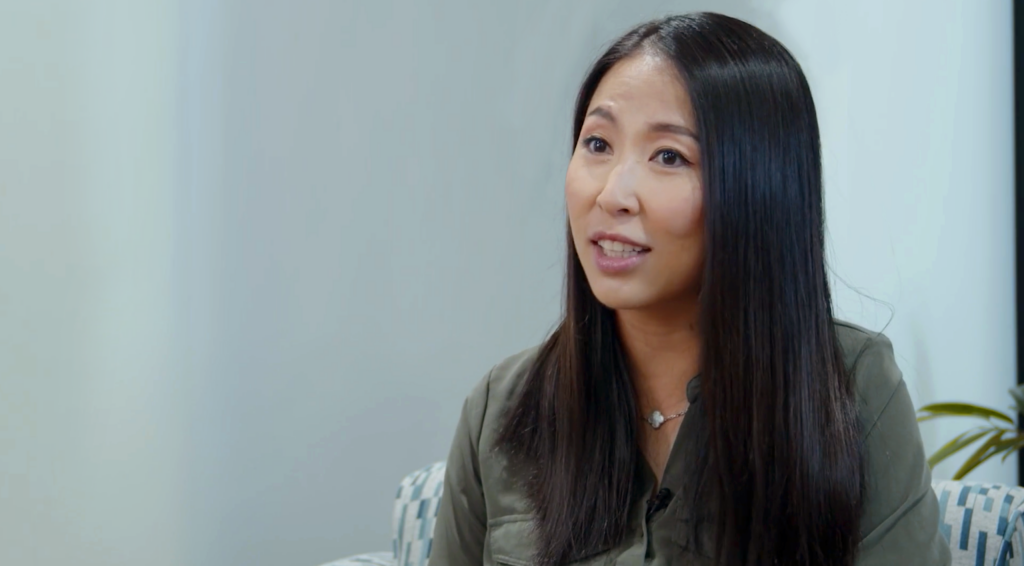
We’re gonna be covering a lot today, but I’m excited to be joined by two incredible colleagues, Dominique Langerman, who partners with families around values, legacies, and long term impact, along with Tunia Mycyk, who I’ve known and worked closely with for a number of years. She works very close with donors and institution on practical giving strategies. So welcome, Tunia and Dominique.
Thank you, Laura. We’re happy to be here.
We are gonna be covering a lot, so here’s our agenda for today.
Gonna be focusing on the current landscape of women’s philanthropy, how to clarify or define your personal giving vision, and practical, tax smart strategies that can help you give with even more intention.
And I want today’s conversation to be time well spent for all of you. You’ve carved time out of your busy lives and days to be here with us today. And I’d love to make this interactive and would invite you to submit any questions that you have through the through our webinar today using the q and a feature. And with many of you submitted questions ahead of time, so we’re looking forward to answering those throughout our time today. So we’re gonna really be thinking about where we are, and, we’re gonna end with some key takeaways as well. So, again, submit those questions, keep this interactive, and we wanna make sure this is time well spent for all of you.
So to kind of ground us where we are today, I’d love to start with thinking about the broader landscape of women and philanthropy. So, Tunia, you do a lot of work with with women across the country. What I’d love to for you to share a little bit about what you’re seeing nationally when it comes to different trends in philanthropy and and maybe how women are engaging differently.
Absolutely, Laura. Thank you. So I wanted to start with something that probably won’t surprise anyone, but women are fundamentally reshaping what philanthropy looks like. And it’s not just because women are giving more, but it’s really about how they’re changing, how they’re giving, who leads it and how we define success. So right now, what we’re seeing in the data is that women control about forty percent of global wealth. That that’s amazing.
But of course, we we wanna see it always be inching up.
And in affluent households, they influence roughly eighty five percent of charitable giving decisions.
So whether we name it or not, but women are already driving where philanthropic dollars go.
But I think what’s really transformative here, which I’m excited mostly to talk about is really the approach.
Women tend to give in ways that are more values driven, more community centered and increasingly strategic.
It’s less really about writing that check and just stepping away. It’s really more about engagement and where we’re really seeing that example and the rise of these commute more collaborative giving is in these giving circles. So the research from the Women’s Philanthropy Institute shows that women are drawn to be more collective in this value based models of giving, where they can share that sense of leadership and a clear sense of purpose, and the growth has been remarkable.
Since twenty sixteen, the numbers that we’re seeing here is that there are about four thousand giving circles with roughly three hundred and seventy thousand members. And they’ve together distributed more than three billion in charitable funding.
That’s amazing.
It is. It’s really amazing, but I think, again, like, what we’re really seeing is the motivation behind it, and I think that’s where we really wanna talk about, you know, values. I think that’s the best place to start.
I love I love the the rise in giving giving circle. That’s incredible. And and for for people that aren’t familiar with that, it’s a great way to think about how can I get started, get get together with women who are thinking about giving? I think it’s fantastic.
So, Dominique, you know, Tunia mentioned a little bit about values, and I think, you know, aligning giving with personal values is something that that we see particularly with women investors, at least in the clients that I’m working with.
Would love to just shift gears and and hear from you a little bit on on how values comes into play.
Yes. Thank you, Laura. And, absolutely, for so many women we work with, philanthropy isn’t just about writing a check like we’ve said. It’s really about aligning giving with your personal values and your legacy. And we call it in it’s called intentional impact. And think about the causes that light you up because of your own experiences.
Like, what what do you want your family and friends to remember about how you used your resources to make a difference? And maybe it’s education. Maybe it’s children. Maybe it’s women’s empowerment, or maybe it’s environmental issues, or maybe just supporting your local community.
Intentional giving creates fulfillment and a lasting story.
And that’s what we see in our practice is that women are increasingly viewing philanthropy as an extension of their life’s purpose. So they’re turning wealth into meaning across generations.
And with the great wealth transfer underway, of course, women are positioned to lead that change thoughtfully and powerfully.
Oh, I love that. And I think, like, the great wealth transfer, again, is is something that being a certified financial planner and in the in the industry, hear a lot about. But just highlighting that for for all of you listening today that there is so much money that’s flowing into the hands of women. It’s how do we really make sure that we can understand what what’s coming our way and what’s most important to us.
I love, like, the the planning for it, what are my values, what are organizations I want to to get involved with. Now we’re gonna talk a lot as well today about tax strategies because, again, I wanna make this tax savvy because as women, you know, wanna make sure that we keep more money in our pockets as well as in the pockets of the organizations that we care about. And so there’s a lot of changes in particular that have happened in the last year and a half or so. And I wanna just highlight those.
I’m gonna go into a little bit more detail because there are there is a lot of information, and so we won’t cover all of it today. But really wanna give you some highlights that you can be thinking about as we’re walking through kind of this this landscape values plus some tax changes. And I wanna just draw your attention to some tax changes that happened last year with the one big beautiful bill. And to me, this is why smart giving matters more now than ever.
And there’s a handful of changes that that happen, particularly as we’re talking about philanthropic giving today. There’s a new floor for those of you that are charitable, you know, from a deduction standpoint that are itemizers. So beginning this year, twenty twenty six, your when we think about charitable contributions are only deductible to the extent that they exceed half a percent of your adjusted gross income or your AGI. So for example, a couple with maybe three hundred thousand dollars of AGI can only deduct gifts above fifteen hundred dollars.
So just kinda keep that in mind that if you are giving, making sure that you understand some of that those new adjustments. There’s a couple other changes to the top giving brackets, so just keep this in mind. So if you’re in the the thirty seven percent bracket, the deduction benefit is actually limited to thirty five percent. So what that means is, you know, if you give a gift of a thousand dollars, now only three hundred and fifty dollars is, it saves you three hundred fifty dollars versus previously three hundred and seventy.
So not a huge difference of twenty dollars this year, but over time and larger gifts, that really starts to add up. So just kind of keep that in mind if you do find yourself bumping between that thirty five and thirty seven percent tax bracket.
And at the same time, we’ve seen some pretty big increases to the standard deductions. Those have increased again, which is which is good news. For single filers, that’s sixteen thousand one hundred dollars. And if you are married filing jointly, thirty two thousand two hundred dollars for those joint filers. So we’re seeing higher higher standard deductions, which, again, is is good news.
We’ll talk a little bit more in detail, but wanna just highlight one other big change that we saw, which was really around the the estate tax figures. And I’ll I’ll share this for for all of you. If we think about kind of estate tax law, this is another piece that really changed. So, we now have twenty twenty six updated tax figures, And so we’re seeing now that the gift tax exemption has increased to fifteen million dollars.
I heard someone recently say this was permanent, and it made me chuckle a little bit because a state tax law, as as many of us know, changes year over year. It’s always changing with different So I chuckled that it was permanent until it changes again. So we have seen that increase to fifteen million dollars per person or thirty million dollars if you’re married. So for most families, you know, this this means that you can actually give a lot more during your lifetime and make be be effective with those dollars.
The other thing that that we saw is the gift tax per year exclusion goes up to nineteen thousand per person or thirty eight thousand dollars if you’re married. So if you’re wanting to to look for ways to give away money to family, for example, you could give that away nineteen thousand per person per year, and it does not go against that fifteen million dollar exemption. So just a couple highlights before we really get into deeper that I that I just want to share so you kind of understand, I think, the the timing and why when we think about philanthropic giving, the timing matters in light of some of the legislative changes that we saw last year.
So I wanna yeah. Go ahead.
I just wanted to add, Laura, you know, that’s something that we’re seeing definitely is more single women are really focused on giving now versus thinking about, oh, what am I going to leave to my state and more of that, like, after death? And I think, you know, you mentioned the timing. I think that’s definitely something we’re seeing and also, like, mid, midlife as well.
Exactly. Okay. But just good to understand what has changed, how that might impact you personally. Always something to to talk with your adviser about or with your accountant or your estate planning attorney, which the beauty of of what we do is we bring that all together, which is, you know, a one conversation with your your entire team.
So we we’ve understood. We’ve walked through, again, high level on the tax landscape changes. The next thing I wanna hit on is really thinking about this this idea of a philanthropic vision. And and this is something that that we talk about with with clients is how can you really understand and build a philanthropic vision?
So, you know, Dominique, would love to just hear from you as as how you’re walking through this with different women when you think about the ideas of of really understanding kind of this philanthropic vision and how one might set that.
Yeah. Sure.
So, really, understanding philanthropic vision, it really starts with clarifying your why.
So, and and understanding that philanthropic vision is really the foundation for everything else. So we can break it down. First, you wanna clarify why. Ask yourself.
What motivates yourself to give? Like, what what motivates you? Is it rooted in your personal experiences? Maybe there’s a cause that touched your life or your family or a family member.
Maybe it’s a community you wanna strengthen. Maybe it’s values like justice or education or innovation.
From there, you’ll wanna identify causes and communities that matter most to you. So this could be, like, a local organization, a local nonprofit. It could be a national nonprofit, or maybe it’s a global initiative.
Many women find it very helpful to map this against their life story, so what you’ve overcome and then what you’re passionate about passing forward.
And then you’re gonna wanna determine your giver type.
So do you like being a quiet supporter who prefers being behind the scenes, or are you more of a hands on leader, perhaps serving on a nonprofit board or advocating publicly? Do you lean toward being a donor, maybe focusing on financial support? Are you more of an advocate who wants to amplify voices and really drive change? So, really, it’s aligning your values and your life goals and making giving more that make giving more joyful and more sustainable.
And it also helps when life changes shift. So, like, we mentioned, you know, whether you’re mid career or you’re in retirement, you know, your vision can evolve while you’re staying true to your core values.
And in our work with women and families, this clear this clarity really turns that reactive giving into proactive, intentional giving, and that’s where it’s really empowering. You’re not just responding to requests. You’re shaping a legacy that reflects who you are.
So, yeah, we’ll build on that more when we talk about our strategies later, but, and and explore some vehicles that bring that vision to life too.
And I think this may be a great opportunity where I’d love to just share, kind of put that into real life examples of how some of these amazing philanthropic women have really built up on their vision. And I also find, there’s a common thread here and what I find is that it’s really like just jotting down a few words, three words maybe that you’re thinking about that are important to you for your vision. And so I’ll just say like Mackenzie Scott, Right? She she based her philanthropic giving on trust, equity, and speed. And by speed meaning she wanted to really make sure that she’s giving away quickly and moving that capital quickly with minimal public fan public fanfare. And she really aligns all of her giving with dignity, efficiency, and power sharing, particularly in those organizations serving marginalized populations.
Another example would be Sheryl Sandberg.
She has the, you all know, the organization Lean In. I mean, of the things we’ve seen here, she’s really expanded what I mentioned was giving circles. There’s a lean in circle where you can join. And I think that’s been really amazing to build that collective resilience and really focusing, in her example, is focusing on importance of supporting social systems, and especially since when we talk about personal change, she shifted.
She had a personal loss. So her foundation expanded on focusing on grief and mental health and family stability. So I think it’s really about, you know, finding, again, those few things that are important to you, and it’s really not about, you know, scale. It’s really just more about intention, alignment, and trust.
I love I love hearing kind of some of the the examples, Gina. I think that’s that’s really powerful.
I wanted to to ask the two of you. I think, you know, Dominique, you talked a bit about the values piece, so so this may be a question for you. But one of the questions that came in and it was interesting was kind of around the idea of, you know, women’s giving being values driven versus versus men. You know?
So kind of how do how do men give differently? And we’ll probably get into that a little bit. My my hypothesis might be that that generally speaking, you know, men would be more interested in saving money as kind of a key driver. So paying less in taxes might be a key driver.
Not always, but that that’s my hypothesis. Whereas, at least in the the clients that I’ve worked with over the years, you know, giving is much more of a personal involvement conversation. It’s less about the tax savings as being the key driver, and it’s more about their connection or desire to actually be involved in these or the actual fact of being involved in these organizations. But just wondered if, you know, one or either of you could comment on, you know, the idea of of kind of the values driven and maybe, some information around women being more values driven than men.
Yeah.
I’ll I’ll I’ll just jump in real quick here to say, you know, to me, what I’ve seen is it’s not only about the being values driven in the giving part, but also values driven on the involvement women want with their communities, such as volunteering and really joining boards. I mean, I’ve seen that especially in the mid career, women that really wanna start thinking about giving back.
And it’s not always have to be about money. It really is about what is valuable to me, and I’ll just use myself as an example. I’m really passionate about art, music, and education.
So I was able to find a board where I joined that can bring all of that together, and I feel so much more fulfilled that now I can bring my values kinda together in that capacity as well as donations, of course.
And I guess following up with what for the question, I think there’s Tunia had mentioned Sheryl Sandberg.
There I know that she has been a huge advocate for women to step into leadership, and it’s a real call to action for us. And there are a lot of men in leadership roles. She was really calling out for women to step into leadership roles. A great opportunity is nonprofit boards. Nonprofits really could use more leaders and, dedicated leaders, and it it’s it’s really great space for women to be too to step into leadership. So, really encourage that as people are are choosing different avenues to, pursue their philanthropic goals.
Great. I love that. So I think kind of, rounding out this this section here on on the idea of kind of putting together that vision, a couple steps that, you know, that that I’ll just highlight for for listeners, you know, practical things that you can think about is, you know, what are those core values to you? You know, Dominique and Tunia kinda talk through what is motivating to you, what are what is your core value, you know, whether that team we talked about education, whether we talked about opportunity, whether we talked about leadership, you know, and being able to have access to those things.
Thinking through those core values. And then the other piece is, you know, reflecting on pivotal experiences. You know, a lot of times we see women getting involved in organizations that had an impact on them. And when I think back on my own life, a lot of the organizations that I’m involved with are because of a personal connection or personal experience that I’ve had that have led me to get more involved in those organizations.
So walking through, if you’re not sure where to start or how to pick recipients as as one of the questions that came in, was just think about your own life and what organizations or causes have have really made an impact for you. And then thinking about the the change you wanna see, and and I think like Tunia and Dominique both encourage is, you know, what is your role? Is your role you know, and I hadn’t thought about this more until more recently because I think for for me, the the past decade has been having children, building a career. So I’ve I’ve been more of kind of the silent giver who has, you know, donated just maybe with monetary ways versus versus being involved.
And so I’m looking now kind of this next decade to say how can I get more involved in specific organizations, whether that’s in a leadership capacity or a volunteer capacity and being able to bring bring my kids? I I I, you know, just got involved in a in a board for my kids’ gymnastics. You know, my I have four daughters who all compete in competitive gymnastics, and so thinking I spend a lot of time here anyways, I’d love to just help shape the future of this program and be able to offer they’re they’re very passionate about offering scholarships for families that that aren’t able to pay for competitive gymnastics.
And so to me, that’s something how do we get even more family. That’s just a simple example of kind of how my giving type has changed over time. So just things to think about. Tunia, Dominique, anything else you’d add for key steps for our listeners to take in kinda thinking about their their type or their vision?
I guess for their key types, if you are wanting to explore, maybe leadership, nonprofit roles, there are lots of board academies that you could look up in various communities.
I know they’re offered by a lot of nonprofit organizations, community foundations, junior leagues.
Those and you don’t necessarily need to be a member. You can sign up for board academies if you’d like to learn more about what what it is to be a board member, what the requirements are, what the obligations are, what you need to know to be a good board member. And then a lot of these programs too will also introduce you to, boards that are looking to fill seats on their board. So, that would be one avenue.
I that’s one that I can think of off the top of my head.
Anything for you? Otherwise, we’ll kinda shift gears into some specific tax strategies for the rest of our time. But, Tunia, anything else you wanna add on that?
I think just the like I mentioned in the beginning, like, for me, as you noticed, I have the three words that I’m passionate about. I think find your three words.
I love that. I love that. The three the three words kinda kinda wrestle with that.
It’s almost like the word of the year, you know, that everyone kinda Exactly.
Comes with at the beginning of the the New Year. So, again, kind of add three from a from a giving perspective. I love that. Exactly.
Great. Well, we’re gonna we’re getting a lot of questions, so continue to send those in. We’re gonna kinda answer them throughout as it relates. So I do see some questions around foundations and giving circles, and we’ll we’ll come back to that.
So so stay tuned on that. But really wanna spend some time talking about ways that as investors, we can really make the most with our dollars and have really the combination of tax savings plus this impact component to the organizations that we are most passionate about. So I wanna shift gears a little bit and talk through some tax strategies for for this next portion of our time. And this is maybe where we’ll get into, more of the details around some of these different strategies.
But I’ll kind of just jump in and if anyone wants to to add any commentary as well, kind of before we jump in, we’re gonna through a couple different ideas on, tax efficient strategies.
So I will let me shift gears here. I’m gonna talk about a couple different ideas here. And wanna just highlight different kind of three levels of popular plan giving strategies. And there’s a lot of giving strategies, so hang with me.
We’re gonna cover a lot, and we’re gonna really do a high level take on this, but know that there’s a lot more detail that we can go through. So kind of the three key strategies that I wanna think about are current gifts, retained income, and bequest. So this is current while you’re living, giving money away, retained income, being able to access and enjoy those funds during your lifetime, and then bequest is probably what you’re most familiar with, which would really, you know, be at at the end of life. And so those are the kind of the three buckets that that we’re gonna talk through.
And I’ll jump into kind of the the first couple, strategies here, and we’re gonna go and and kind of line by line to give you some ideas on on each of these.
So the first idea again, the goal of this is tax efficient strategies. Okay? So as we’re thinking about this, think about how can you for your personal situation, where are you kind of falling into this. So we’re gonna think about, cash.
And what we think about with cash is there are specific limits for cash donations. This was also increased to sixty percent of adjusted gross income. So if you give cash, this is an easy way to take take advantage of some of these, deductions that you can have. But again, cash is a great way to do that.
The second piece would be to really think about stock gifts. So for those of you that maybe have invested in companies over the last decade or two decades and those have grown dramatically, say you invested ten dollars and it’s grown now to a hundred dollars, so you have ninety dollars of what would be called capital gains appreciation in that portfolio. Instead of selling that stock, you know, at a hundred dollars to then donate and pay taxes, you could actually just donate the stock directly to an organization of your choice. They get the benefit. You don’t pay taxes, and you still get that that deduction. That is limited up to thirty percent of adjusted gross income if you’re doing appreciated stock, so a little bit different.
But just a strategy to think about how you can actually avoid paying capital gains tax. So for many donors, you know, this is one of the most tax smart moves that we see is donating appreciated stock.
The next piece that we’ll look at is really a donor advised fund, and these have really gained and and risen in popularity over the last number of years. Some of you might refer hear them referred to as a DAF. And these are an idea where really you can combine a couple different years of giving. So there’s this idea called a bunching strategy where maybe you’re giving and we talked about that itemization number.
We talked about the standard deduction being significantly higher this year at that thirty two thousand two hundred dollar number. So maybe you’ve historically given, you know, five or ten thousand dollars a year, and you’re not quite getting to the spot where you’re itemizing, but you know you wanna make some donations over the next five years. Maybe you can actually pull those together and say, instead of giving ten thousand dollars a year for the next five years, maybe you bunch those together and you give fifty thousand dollars this year into that donor advised fund. So you get the the benefit of the tax itemization this year, and then you can dole that money out from your donor advised fund to those organizations as you normally would.
But, again, it’s a way to kind of combine different strategies to get the most in tax savings. So that’s when we’re thinking about this tax savvy idea. How do we actually pull both of these things together? The desire to give the tax benefit that the IRS tax code allows us, how do we put those together to actually get the most bang for our buck?
So those are a couple different ideas. The other piece, and we’ll talk a little bit in a moment about qualified charitable distributions, and I’ll break that example down. But just wanna pause, Tunia and Dominique, if there’s anything that either of you would like to add on strategies that you’re seeing donors or individuals employ to maybe take advantage and get the most tax benefit.
Yeah. I think in in, what I’m seeing in in my world is really the rise of the DEFs because it’s really that easy way easy button as we like to call it.
And, you know, as we had talked about, or maybe we haven’t talked about it yet, but, you know, cash is probably the least favorable. Right? That should be the last way to to think about, you know, your tax strategy and how efficient you should be with your giving. So I feel like the DAF has really been the way to go because it’s, again, so easy and so powerful as well.
Dominique, maybe just if you wanna talk a little bit about any of the more advanced strategies that you’re seeing, you know, kind of from donor advised funds even to charitable trusts. You know, that’s something that we are seeing a a rise in popularity there. So I’ll I’d love to just invite you to talk a little bit more about the the charitable side of things.
Absolutely. I I think one of the biggest ones that we’re seeing that, kind of the the the earlier version of the DAF was really the private foundation. That, they’re still very popular. We still see a lot of them continuing to grow or or open.
And the thing with private foundations that are different than donor advised funds, donor advised funds are very practical. They’re basically they work like a check charity checking account. You can contribute the cash now, receive the deduction, and then recommend grants over time. There’s no minimum distribution.
Foundations are a little more complex, but they do allow the donor to retain a lot more control and leave a longer lasting legacy, particularly if they’re wanting to leave their philanthropy to their children and future generations and to educate their their heirs about, charitable giving. The donors for a foundation will be able to retain more control of the assets in the foundation, and there are more opportunities to give. So if you want to give internationally or if you wanna give scholarships or if you wanna give loans, there are lots of other ways that you can give in a foundation where a DAF is a little limiting.
Now there is an exchange with that. Of course, with the donor advised fund, you don’t have as much tax compliance. You don’t have annual tax filings. You don’t have to register with state. But with foundations, there there is a little more work and management, and and we do manage that here at Mercer with the third party.
Some of the other options and vehicles that we’re seeing a lot of are charitable ranger trust, which can provide you or your loved ones with income for life for a certain term, and then the remainder will go to charity.
Or the reverse is a charitable lead trust where the charity receives the income first, then the assets pass to your family.
Can be a really useful tool for estate planning and reducing transfer taxes. We’re seeing a lot with charitable trusts and bequests where you can include charities in your will or or trust, you know, for stat state tax benefits. And then we’re also seeing named funds, people just leaving their name to chariot on a fund, you know, affiliated with a university or hospital. So those are some of the other ones that we’re seeing as well.
I think I think it’s great to highlight the the charitable remainder trust as an as an option. It’s something that, you know, we are seeing more on the work that we’re doing with estate planning with with clients in particular is you know? And, Tunia, you mentioned, you know, when we think about single women in in particular or divorced women, they they may have the the the desire to actually leave more in a charitable remainder trust. Maybe they they don’t have children, for example, and they, don’t wanna give it, you know, to siblings or cousins or nieces and nephews, but they’d rather leave it to a charity, but they wanna use that money during their lifetime.
That’s, I think, the beauty of a charitable remainder trust is you can really use the income during your lifetime to live on, to have your day to day needs met. But at at your passing, then the remainder of that, hence the name, is left to the charities of your choosing. Or oftentimes, we see this with an alma mater, for example, you know, where somebody wants to leave something to the college or university. I think that’s pretty common.
Dominique, you hit a little bit on the the difference kind of between or the benefits of the donor advised fund and the family foundation.
That is something that we we got questions, you know, prior to today’s conversation, and I’ve seen a few live as well just around the ideas of of setting up a foundation. It sounds like, you know, you kinda highlighted donor advised fund is the easy button. You know, you can really click that. It’s set up. There’s not a lot of complexity or, you know, tax filing related to that. However, it you do have a set a little bit of a loss of control maybe in in that donor advised fund. It still accomplishes similar desires from a tax savings perspective.
Generally, I’ve seen the family foundation as something where, you know, the name your your family name is really important, and that’s, you know, where you see, you know, a building is named after a specific family. You know, that’s sometimes where I see a family foundation come into play more where, you know, the the family legacy, maybe it’s been a couple generations. And and that’s, again, just maybe the the differences, and and that’s something that we look at with our clients. What’s gonna be actually the best fit for you?
What’s gonna accomplish the goals that you’re actually trying? And that’s the the conversations when you’re kinda putting together that vision that Tunia talked about earlier. It’s which vehicle is is gonna be right for you? So, I’m gonna shift back slightly from kind of charitable remainder and and estate tax to maybe something practical for many of our listeners today.
I touched on it very briefly, but I wanna come back to this idea of a qualified charitable distribution. And this is a tool and a way that you can actually use your mandatory distributions from your IRA if you are age seventy and a half or older.
Again, the IRS loves to keep us on our toes. So seventy and a half is the age that you need to be to qualify for a qualified charitable distribution. And you can actually take money directly from your IRA account and donate it directly to a charity of your choice, a five zero one c three. And this is a great tool because again, if you find yourself in this situation where you might not need money from your IRA to live on, but you’re going to be required in a few years to take those mandatory distributions for many people now that’s age seventy five.
And so keep in mind, this is a way that you could actually kind of combine some of your giving with a way to reduce your taxes. So again, this is a great way where you can, you know, use your, your RMD or at seventy and a half, you can begin this. The catch here is that it cannot go to you. It’s gotta go directly to the charity or organization.
So you can name, you know, the the the food shelter, the animal shelter, the Red Cross, whatever organization you want, but it’s gotta go directly to that to that organization. I’ve worked with clients over the years, and some some families or individuals say, I’ve got one charity, Laura. Send it to that charity and check it off my list for the year. I also have some families that wanna do twenty different charities, and that’s perfectly fine.
Be able to kinda spread that out a thousand dollars to, you know, every every charity that you want. We wanna make sure that the money is going to the causes that are most important to you. But to me, this is a great way to actually avoid pain because it it avoids income tax. So you can avoid the income tax.
It’s above the line. Just a great way to be able, be able to do this. So the the epic sure. Hi, Tunia.
Yeah.
No. Laura Laura, I was just gonna add, you know, this is something we’re definitely seeing. There’s a need for more education in this space because we find that with a lot of our when we do donor education, you know, within our Endowment Foundations group, that’s one of the topics that we really focus on because a lot of these donors don’t understand that they can actually do this from their IRA, which is surprising, but they probably don’t have an adviser they work with.
And that’s that’s one of the things that we’ll we’ll sit down with with individuals and say, is the right amount? What is the organization? The other thing that I saw a couple questions are we’ve got the the limit here. Just note that that max transfer, is a hundred and eleven thousand per taxpayer.
So if you’re married, you could actually each do this at seventy and a half. And it can be up to the limit, you know, of your IRA as well. So kinda keep that in mind. The other question that I saw come in was around, is it an all or nothing?
You know, if I wanna do if I have a fifty thousand dollar mandatory distribution, for example, can I you know, do I have to give all fifty? The answer is no. You could say I’m gonna give, you know, ten thousand as a qualified charitable distribution, and then I’m gonna take that other forty thousand dollars to live on, for example. So you can split that up, and you can look at it year over year just to see what makes the most sense with your financial plan and kind of your overall wealth plan.
And that’s the beauty, again, of the work that we’re doing is literally looking at what’s gonna be the most tax advantageous for you year over year based on your current tax situation. So, the qualified charitable distribution is a great tool, if you are wanting to give and that’s important to you, and you may or may not need these funds and you don’t wanna give extra money to the IRS, you’d rather send that straight to the charity, this is a great way to do that directly.
So a lot of good questions around that, which is which is very, very helpful.
Keep keep the questions coming. I think we’re we’re covering a lot here today. The next piece that I wanna highlight is just when we think about some of the strategies that we walked through.
When we combine a couple different of these, I wanted to show you kind of the tax impact that that these strategies have. So what you’re seeing here is an example of different types of giving. So in this first column on the left, you’re gonna think about cash. Remember I talked about cash?
Cash is probably my last option that I would think about in giving, and I’ll I’ll show you why here. The second piece we talked about was appreciated stock. Remember that stock that I bought at ten dollars is now worth a hundred dollars, for example? That’s an example of appreciated stock.
Here you see that in the second column. Then we’ve got donor advised fund, and then we’ve got a qualified charitable distribution. The donor advised fund is using that bunching strategy. So let’s say that you wanna give twenty thousand dollars a year.
This is kind of like your budget. And what we’re thinking about here on the cash section is you give twenty thousand dollars cash, and what we can see on this on the next piece here is that what is the tax savings in each of these different types of giving? Cash, stock, donor advised fund, bunching two years. So you see in this third column, I’m bunching two years.
I’m taking twenty this year, twenty thousand next year, putting those together. And then the fourth column is a qualified charitable distribution. What you see on the bottom here is assuming the same levels of income throughout the year.
We’re actually able to reduce taxes, pay less in taxes by using different strategies. So cash, again, I said that’s what my last option. Cash is the last. Volume out is cash, then then use cash.
But if you’ve got appreciated stock, if you’ve got the ability to bunch, or you’ve got the option for qualified charitable distribution, you can see here each year cash versus stock, I’m actually saving, you know, about fifteen hundred dollars in taxes if I’m if I’m donating my stock, and then maybe I just reinvest that cash in my brokerage account. So I send the stock from from my brokerage account. I take the cash from my checking account, move it back in. I’m actually saving money by using a strategy of appreciated stock versus cash.
So, again, think about ways that you can put these strategies together, not only to give, because I’m still giving the same amount to those organizations. I’m just able to keep more money in my pocket so that I can then give more in the future if I want. The donor advised fund, again, if I bunch those two years together, you see that I actually save a little bit more in taxes. I go from, you know, the the twelve thousand down about eighty six hundred and then qualified charitable distributions avoid income tax.
And so that dramatically reduces your taxable income, thus moving you into a lower tax bracket. So, again, think about this year over year. If you find yourself kind of at the end of the year or at the beginning of the year saying, what’s gonna be the best strategy? Work with your wealth adviser.
Work with an adviser like an adviser at Mercer advisors who specializes in this to say, how am I actually gonna get the most bang for my buck? Because, again, I don’t know about you, but I would rather pay less to the IRS and have more to give away in the future or more to use for my day to day spending than overpay. So just think about ways that you can do this to best maximize your situation.
So I’ll I’ll pause here for a moment. Tunia, Dominique, anything else that you want to add on on this section here?
The only thing I’ll add is that I think, you know, for the practical part of it, I think it’s really important to, like, kind of think of three things. Again, the threes. You know, you wanna start with clarity and not complexity. Right?
So you don’t complexity. Right? So you don’t have to make it complicated. You can just kind of think about, and again, meet with your adviser to think about what is the best strategy for you.
The other the second thing is setting the annual goals. So just like any other priority that we have, and we all love setting up our goals, is think about, you know, what can be your annual giving goal.
And then lastly, the third thing is just budgeting. You know, making it part of your financial plan and integrating it with, your financial adviser.
I love that. Dominique, anything else that that you might wanna add? I think, just I I did see a question about setting up a foundation. We we can definitely help with setting up foundations as well as managing them. They can be complex. There is a very one of the differences between a donor advised fund and a foundation is the amount of money that is needed to start.
Typically, with the management of a foundation, you’ll wanna have more substantial assets to start a foundation where a donor advised fund can be started with a very low amount of money. So that is one. I also did see another question related to this about what happens to funds that remain in a DAF after DAF. Oh, yeah.
So that one so we have we we have two donor advised funds platforms that we work with here at Mercer advisors. Both of them offer succession or or sort of legacy giving. So you can actually name charities to leave the assets to after your death, or, there’s also endowed programs. So maybe you don’t wanna give a number of named charities.
I think you can give up to six with Schwab and maybe twelve with Fidelity. It’s it’s, you know, don’t quote me on that. I have to look that number up again. But, you can endow the the funds that are left in the DAF.
So they would actually get, like, a percentage that you designate. So they can get, you know, five percent a year if you so that the giving is perpetual rather than giving a lump sum. And some people like to, you know, just have a preference for doing that just to make sure that the that the organization, continually has a revenue stream even, after you’re passing.
So yeah.
Right. So let’s, I wanna spend kind of the the rest of our time talking about legacy. You know, we talked a little bit about the context where we are today. We’ve talked more detailed about strategies that listeners can start thinking about and that they can start putting into place actual tactics.
And so I wanna shift to the the last part of our conversation, which is really about designing a meaningful philanthropic legacy, kind of this this idea of what happens beyond. You know? And I think, Dominic, you were just, you know, sharing a bit about, you know, the the succession of a donor advised fund, whether, you know, you like, my kids would be named as my successor trustees to be able to manage that donor advised fund into the future. You know, family foundations are are similar.
You know, when we think about kind of the the foundation that we’ve talked about in mind with, you know, context, current tax situation, you know, this is really, I think, where philanthropic work starts to take place. And and you said earlier, I think, Tunia, was more than just about writing the check. You know, it it’s much more about design and intention and kind of the telling that story over time. So, Dominique, I’d love to just start with you on on what you’re hearing from individuals, from organizations that you’re working with.
You know, just around, you know, how do we build meaningful legacies? What are what are people seeing and doing to kinda think about building this meaningful legacy?
Yeah. So, really, building a meaningful legacy is really something that, again, reflects your values and lives beyond you.
So it can include passing traditions, measuring impact over the years, and or or inspiring the next generations or all of the above. So what you really wanna do and what we tell our clients here is you wanna start by envisioning. You know? What do you want your giving to achieve long after you’re gone?
Do you wanna help grant more access to education? Do you wanna help support future health breakthroughs? Maybe it’s future environmental protection.
So kind of identify you know, ask yourself those key questions, and then identify where where you want to to apply those. And then choose the structures that support that level of impact that you want to see. And, again, I mentioned naming funds or endowments at universities, hospitals, community foundations, even your DAF after passing. Those can help provide perpetual support.
Family foundations or donor advised funds that do have successor advisers can involve family in grant making and helping to teach philanthropy across generations. And charitable trusts or bequests ensure that the assets are gonna continue to flow to causes that you care about.
But another way to think about preserving legacy is to document and share your stories. So family letters, videos, documenting that history that inspires children and grandchildren to continue that tradition is is really, really helpful. And, in my experience, as we’re talking about, you know, men and women, women kind of tend to often lead here, so using women to empower others while modeling purposeful living.
Yeah.
I like I like that idea of kind of the the family conversation, and and I’ve I’ve had the privilege of moderating or facilitating or, you know, I’m not I’m not sure what the right word might be for, for families, but, you know, the ability to pull different generations together where, you know, you have a generation that maybe earned or created the wealth. Maybe this is the grandparents, for example, where they’ve, you know, built businesses and and built a tremendous amount of wealth. How do you then continue to pass those values along to those future generations where I’ve, again, had had the honor of of sitting with families where you’ve got grandparents, you’ve got parents, and you’ve got grandchildren kind of all in the same room talking about to to your point, it was a live conversation to not a letter, but it really was powerful to hear from the generation who created the wealth, you know, what that meant to them, why what organizations or what values were important to then be able to kind of pass that along to to future generations.
And and so I think that that’s incredibly, incredibly powerful and and being able to do that. And and if, you know, families aren’t comfortable with that, I like the idea of a letter or in today’s technology age, a video of maybe what’s most important to them. But, you know, making sure I think it’s really important, especially as women that we that we pause and say, this is what’s important to me. This is where I want the money to go.
Because what I found is, like, we have the ability, we have the control, we have the power to do that today. If we’re gone, people are guessing maybe what organizations we wanted to be involved with. So unless we take the time today to really articulate that, someone else is guessing about our wishes in the future. And so I I think estate planning in general is incredibly important for women to say, this is what I want today.
I’ve got the ability. I’ve got the power to do that now. So, Tunia, I know you you spent a lot of time thinking about kind of impact and wanting maybe proof. What are you seeing from from individuals and and families?
Well, I think, you know, just to, really tack on to what we were saying here, said, I think also with legacy, just have to make sure that everyone understands when you’re talking to them and it doesn’t mean that it’s final, right? So meaning that you need to build a structure that can evolve because I think that’s something, especially with families when you have the next generation coming in that you wanna make sure you bring them in early and hear what they’re passionate about. So you don’t wanna have fixed issues, right, that you’re trying to address.
It’s really, I think, having a more of a creative decision making process and having those guidelines because, again, I think, you know, as life changes, your priorities may change, and you wanna make sure you build that into that
I love that. And I think, you know, thinking about my own family, I mentioned I I have a lot young children, and I have, I have four daughters in particular. And one of the things that I’ve been doing with with them as kind of part of their, you know, school or or financial literacy education is really thinking about, you know, how as a family are we giving. And, you know, they all have little businesses that they run.
My oldest is twelve, and my my next oldest is ten. So they, you know, are doing lemonade stands and bake sales and and all kind of entrepreneurial work. And and one of the things that we’ve that I’ve worked on with them in particular is the idea of give, save, and spend. And so even from a young age where anytime they are earning money, it’s a really simple way to just get them thinking about philanthropy, get them thinking about giving even from a young age.
What is an organization that you would like to give money to? You know? Then for them, you know, they’re they’re very into, like, Barbies and stuff. I’m like, you can’t there’s not a nonprofit for maybe there’s a nonprofit for Barbies.
So if anyone knows what what one, let me know. But just how do we think about giving in the community? And whether that’s with our time or with or with money, you know, we’re thinking about ways even from a young age for for my girls to start thinking about giving into the organizations that they’re interested in or passionate about. So just, again, never never too soon to be to be thinking about and and starting to have those conversations with your kids or even your grandkids or great grandkids to kinda continue the family conversation.
So I wanna just answer, a couple questions. We’ve got some time for q and a. So a lot of questions are are coming in here. So kind of as we’re as we’re wrapping up, continue to to drop those questions in.
We’ve talked about vision. We’ve talked about strategy. We’ve talked about different types of vehicles and legacy. So we’ve got some questions coming in, and I think a lot are, specific to kind of the the tactics that we talked about.
And maybe I’ll take this this first one. We had a question come in around if only one person in a in a marriage has an IRA, for the qualified charitable distribution that we discussed, are you able to leverage the benefits across two people? Unfortunately, the answer is no. You have to have an individual retirement account to be able to give out of that.
So it is per individual account, per account owner. You cannot double up in that in that scenario. So that was a question that came in as well. I know we touched on this a little bit, but, Tunia and Dominique, a couple more questions around, you know, end of, donor advised funds, what happens after death, successor manager, successor trustee, maybe corporate trustee.
Can you talk a little bit about, again, just maybe highlighting, you know, some options that people might have?
Yes. Absolutely. I I can take that one. So what happens to your if you want to make sure that you have a plan set which you can set once you have your DAF opened should something happen to you.
And you can name the funds to you can select a number of five zero one c threes if you wanna leave it to them, you know, divide up the the remainder that’s in the donor advised fund and designate a number you know, a limited number of charities to receive the funds in full, or the funds can be endowed, which means they’ll stay in the DAF past your your passing. And the donor advised fund, you can designate to distribute a certain percentage after after death. You can also, name trustees, and your wealth adviser can actually continue to manage your donor advised fund after your passing. The minimum amount, there is a hundred thousand dollars. But, yes, that, I think one was about, successful managers, and, yes, that that we can definitely do that.
So That’s great.
I think another question that that came in, I’ve seen this a little bit, and it it came in ahead of the webinar as well. We may have some listeners today who, you know, are interested in participating in nonprofits, and maybe they sit on boards, for example. You know, I I know both of you do a lot of work with nonprofit support. And so talk through a little bit about some of the ways that that Mercer adviser supports nonprofits and foundations and just how how individuals might be able to benefit.
Yeah. I can take that. So I think, you know, here at Mercer, we have a dedicated team that focuses on helping nonprofits and we do that in three ways. Again, those threes, invest, govern and grow.
So not only can we act as a fiduciary or we are a fiduciary and help with investments, but we really wanna focus on helping board members achieve their fiduciary responsibilities. And we help with that education and guidance and help with thought leadership. We host conferences so we can bring everyone together and learn from each other. And then that growth piece, I think we touched on a little bit, about, you know, helping those donors understand the various ways that they can give, and talk about various fundraising strategies, and and we can help in all those ways.
I think that’s great. And I just I’ve I’ve shared a a slide about just nonprofit support. So if if that’s you today, you know, you can absolutely visit nonprofits dot Mercer advisers dot com to learn more about nonprofits. Contact Tunia, Dominique, myself.
Happy to happy to share how we can get involved, and help your specific nonprofit as well. I think that’s a great great way to do that. I’m gonna wrap up our time today and really wanna just thank everyone for the fantastic questions. If you submitted a question that we didn’t get to, someone on our team will follow-up with you just to answer that question very specifically as it might have been more more personal than we wanted to or were able to answer in a large group setting.
But, again, thank you all for the engagement, for the conversations. I think this has been fantastic. There were some questions around information slides, webinar replay. We will be sending this webinar replay out for those of you that would like to review it again and have more questions.
But really want to, just hope that today reinforced that smart, practical, tax saving philanthropy doesn’t just increase impact, but it really enhances your overall financial plan and the legacy that that you leave behind.
And we’ve shared today at Mercer Advisors, you know, our teams work across financial planning, tax, estate, and investments to ensure that your philanthropic goals are aligned with your broader wealth plan and that you’re taking advantage of those tax saving opportunities as well as making sure that your legacy is durable for the future and thoughtful for today. And, when I think I think when those pieces all come together, that’s something that you can really have confidence that you’re passing forward with with intention and with success. So, if today sparks any questions or ideas for for any of you, you know, we would love to to continue the conversation at Mercer.
So, if if anything kinda jumped out at you that you’re thinking, hey. I’d love to ask more questions about, feel free to reach out to us directly. Reach out to your wealth adviser because, again, we’d love to make sure that we’re continuing the conversation with you. I just wanted to leave you with some ideas on ways that that you can personally continue the conversation, whether that’s getting involved locally, giving a gift, joining or starting the giving circle, I’m happy happy to help in any of those ways.
So, again, wanna just, thank you for the time today and would encourage you to join us for future Women and Wealth events. Connect with our team and share this with any women in your life that might benefit from it. But thank you so much again for spending the time with us, and we’re grateful to have you a part of this journey. Thanks, everyone.



“Mercer Advisors” is a brand name used by several affiliated legal entities owned by Mercer Advisors, Inc., including, Mercer Global Advisors, Inc., an SEC registered investment adviser providing investment advisory and family office services; Mercer Advisors Private Asset Management, Inc., an SEC registered investment adviser providing discretionary investment management services to affiliated private funds; Mercer Advisors Tax Services LLC, a tax services and accounting firm; Heim, Young and Associates, Inc., (MA Brokerage Solutions) a broker/dealer, member FINRA/SIPC; and Mercer Advisors Insurance Services, LLC (MAIS) an insurance agency.