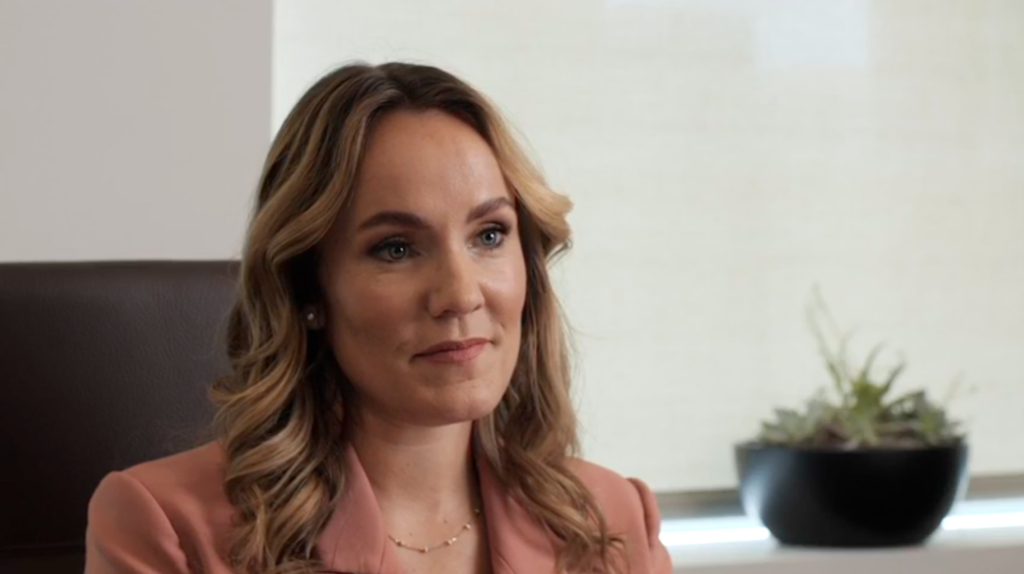
We understand how overwhelming the loss of a spouse can be. The emotional weight of grief can leave you unwilling or unable to cope with making decisions, both minor and important. And it may be the first time you have to be responsible for all legal and financial decisions on your own.
Personally, I became a widow at the age of 35. If I hadn’t had the knowledge about how our finances worked and felt confident in my financial future, it would have been devastating. That’s why I’ve dedicated my career to helping individuals manage through such stressful situations.
The loss of a spouse often brings unique financial considerations that require specific guidance. For example, there may be changes required to your taxes, estate plan, investments, and home or business property — all can have significant financial and life impacts. The complexities require careful planning to help ensure your financial stability.
This care package is designed for you. We’d be honored to be your partner through this financial journey and all the others your life may bring.
Kara Duckworth, CFP®, CDFA®, CAP
Managing Director of Client Experience
Caring For Yourself During Grief
Grief can profoundly affect both your physical and emotional well-being. Physically, grief can lead to fatigue, sleep disturbances, changes in appetite, and a weakened immune system. Emotionally, it may manifest as deep sadness, anxiety, loneliness, or even numbness, making it difficult to engage in daily activities or connect with others.
These symptoms are not just reactions to loss. They are also the body and mind’s way of processing profound change. Understanding that these responses are natural can help you be more compassionate with yourself as you navigate this difficult journey. Support from loved ones, counseling, and self-care practices can play a vital role in healing.
- Eat well: Nourish your body with balanced meals rich in nutrients to support energy, focus, and overall health.
- Take medications: Follow your prescribed medication schedule to manage health conditions and maintain stability.
- Sleep: Prioritize restful sleep to recharge your mind and body, improving mood, memory, and resilience.
- Exercise: Stay active with regular movement to boost physical health, reduce stress, and elevate your mood.
- Avoid risky behavior: Make thoughtful choices to protect your well-being and avoid unnecessary harm or setbacks.
- Delay big decisions: Give yourself time and clarity before making major life choices, especially during stressful periods.
- Practice self-care: Engage in activities that bring you peace, joy, and relaxation to maintain emotional and mental balance.
In the quiet moments, may you feel your own strength.
Start Small; Start Steady
As you begin navigating the first year after your spouse’s passing, it’s important to approach each task with pacing, clarity, and care. This checklist isn’t a race — it’s a guide to help you manage what needs attention while honoring your own rhythm and emotional space.
Some days you may feel ready to tackle paperwork or make decisions; other days, simply getting through is enough. Give yourself permission to move slowly, revisit items as needed, and ask for help when things feel overwhelming. Each step is a small act of care for your future and for the memory of your loved one.
Essentials Checklist
1–29 days after the death of a spouse
30–60 days after the death of a spouse
3–6 months after the death of a spouse
6–9 months after the death of a spouse
9–12 months after the death of a spouse
Remember:
Support for Every Step
These Mercer Advisors articles offer high-level insights to help you navigate some of the more complex financial issues you may encounter.
Since every financial journey is different, we’ll partner with you to shape a strategy that aligns with your unique goals and circumstances.
- 5 Smart Tax Tips for Widows: This article offers concise financial guidance regarding taxes. For example, advising that you can file jointly in the year your spouse dies and may qualify for “qualified widow(er)” status for two more years. The article also highlights the importance of planning for potential tax bracket changes, strategically timing Social Security survivor benefits, and collaborating with a financial advisor.
- New RMD Election for Inherited Retirement Plans: Learn about a new option introduced in 2024 for surviving spouses who inherit retirement plans. Under the SECURE 2.0 Act, a new “spousal election” allows a surviving spouse — if they are the sole beneficiary of a defined contribution plan — to be treated as if they were the original account owner.
- Empowering Surviving Spouses With Estate Planning: Get guidance on how to navigate the financial complexities that follow the loss of a spouse, including the importance of having a comprehensive estate plan in place to provide confidence and ensure that both you and your heirs are protected.
Grief Support Resources
Grief support resources can offer a vital lifeline for widows navigating the emotional and practical challenges that follow the loss of a spouse. Whether you’re seeking comfort, connection, or guidance, these resources are available to help you feel less alone and more supported.
From counseling services and peer support groups to educational materials and wellness programs, each option is designed to meet you where you are — gently, compassionately, and without pressure. You don’t have to go through this journey alone.
- The W Connection: A community of widows helping widows rebuild their lives with new tools, strategies, understanding, hope and the healing power of social connection. Website: widowsconnection.org.
- National Widowers’ Organization: A virtual toolkit for men coping with the death of a loved one, a place where men can meet others going through the same transition. Website: nationalwidowers.org.
- National Widows Association (NWA): Dedicated to creating awareness, fostering community, and providing vital support and resources to empower widows. Website: thenwaonline.com.
- Soaring Spirits: Creates, and maintains, innovative peer-based grief support programs for widowed men and women that serve a worldwide population. Website: soaringspirits.org.
- Modern Widows Club: A support and empowerment community designed specifically for widows navigating their unique journey from grief to hope and growth. Website: modernwidowsclub.org.
When You’re Ready to Look Ahead
As you begin to look ahead, know that there’s no “right” time or way to start thinking about the future. There’s only what feels manageable and meaningful to you. Whether it’s taking small steps toward financial clarity, reconnecting with your goals, or simply allowing yourself to imagine what’s next, we’re here to support you.
From the simplest to the most complex, your questions are always welcome. From paying a bill to planning for retirement, every question is valid and important, and support is available every step of the way.
When you’re ready, we’re just a call or email away to walk alongside you with care, patience, and understanding.

FAQs
Common Questions from Widows Navigating Financial Transitions
Below are some of the most frequently asked questions we hear from our clients, along with general guidance to help you get started.
Because every situation is unique, we’ll collaborate with you to help provide clarity and create a personalized strategy that fits your specific financial needs.
-
As a widow, your tax filing status will change, but not immediately. If you do not remarry by December 31 of the year your spouse passed away, you can still file a joint tax return for that year, which allows for larger deductions and exemptions. For the following two years, you may qualify to file as a “qualified widow,” maintaining the same tax benefits as married filing jointly, provided you meet specific requirements. It’s important to consult with a tax advisor to navigate these changes.
-
Deciding whether to keep or sell investments after losing a spouse should align with your long-term financial goals and risk tolerance. Consider potential tax implications, such as capital gains taxes, and whether you feel confident managing your accounts independently. Consulting with a wealth advisor who has experience working with widows can help provide clarity and a strategy tailored to your needs.
-
To update your estate plan after a spouse’s death, begin by revisiting your will, beneficiary designations, and powers of attorney to reflect your new circumstances and wishes. Work with an estate planning attorney to address probate, retitling of assets, and any necessary updates to trusts. Additionally, consider reviewing your financial and legacy goals to help ensure your plan aligns with your long-term vision and provides clarity for your heirs.