

Key Points Covered in this Webinar:
- Preparation, not wealth, is the difference: The question isn’t whether a woman will become the primary financial decision-maker, but when—and readiness comes from involvement, familiarity, and the right support systems, not from how much money she has.
- Start conversations early: Talk about money, estate plans, and account access while everyone is healthy; the biggest challenges in caregiving and transitions are communication problems, not financial ones.
- A strong foundation beats a big payout: Whether navigating widowhood or divorce, a good outcome isn’t about what you walk away with—it’s about building a solid financial foundation that lets you move forward with confidence.
It’s not whether or not this is going to happen. It’s the fact that it’s going to happen. And so the question that we all have to ask ourselves as women is, will I be prepared when that moment occurs?
Transcript
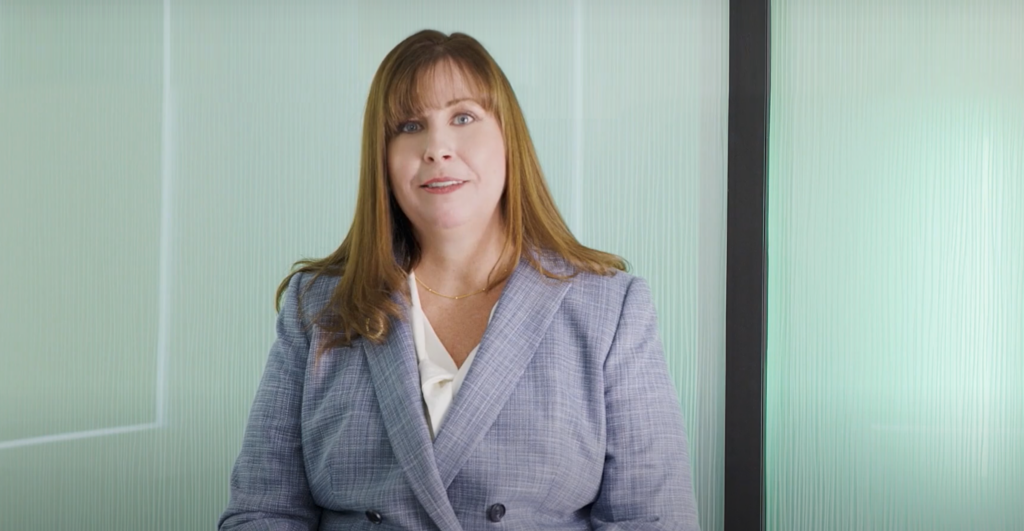
Welcome, everyone. I’m Laura Combs, Executive Managing Partner and Head of Women and Wealth here at Mercer Advisors. And I am thrilled to have you join us today and so thankful that you carved out this time from your busy lives. The topic we’re gonna be discussing today is navigating life’s financial transitions, and it’s one that I come back to over and over, both personally and professionally, in conversations with clients and and as mentioned in my own life too.
And I think it’s incredibly relevant for for today. But before we get into the substance of today’s session, I’m gonna introduce briefly Yvonne Jimenez and Katelyn Depew, and we’ll hear from them in a moment. But we’re really excited to dive deeper into this conversation and excited to have you all here. Before we get started, I’m gonna share a few disclosures.
Main highlight here for those of you reading the fine print is that today’s webinar session is intended to be for educational purposes. If you have specific questions about your personal situation, I would encourage you to connect with your advisor or connect with someone who invited you today to get connected with Mercer Advisors. So let’s jump into today’s conversation. I’ve given a little bit of my introduction and and really excited to be joined by two fabulous women who are spending a lot of time in the women in wealth practice that Mercer has formally launched earlier this year.
And really excited to hear from Katelyn Depew and Yvonne Jimenez at Mercer Advisors. They are both CERTIFIED FINANCIAL PLANNERS and leaders within our organization, and it’s wonderful to have you join today. One thing that I wanted to share personally is like like life, you know, I…
I’m a big believer in women supporting women. And Katelyn and Yvonne are both pioneering the work that we do across the women in wealth practice, and they’re key members dedicated to serving women. And I love the women supporting women idea because nearly a decade ago, I had the privilege of meeting Yvonne kind of as an industry connection, and we’ve stayed connected. She was at a different organization at the time, and I’m thrilled to now be partnering with her here at Mercer Advisors.
And and similarly with with Katelyn, had, someone kinda mentioned her name several years ago, and I got connected to her. And it’s it’s wonderful to now have her be a partner at Mercer Advisors as well. And and I’ll let Katelyn and Yvonne introduce themselves. Katelyn, maybe I’ll start with you because I think there’s a fun story about you and Yvonne as well.
So, Katelyn, why don’t you introduce yourself?
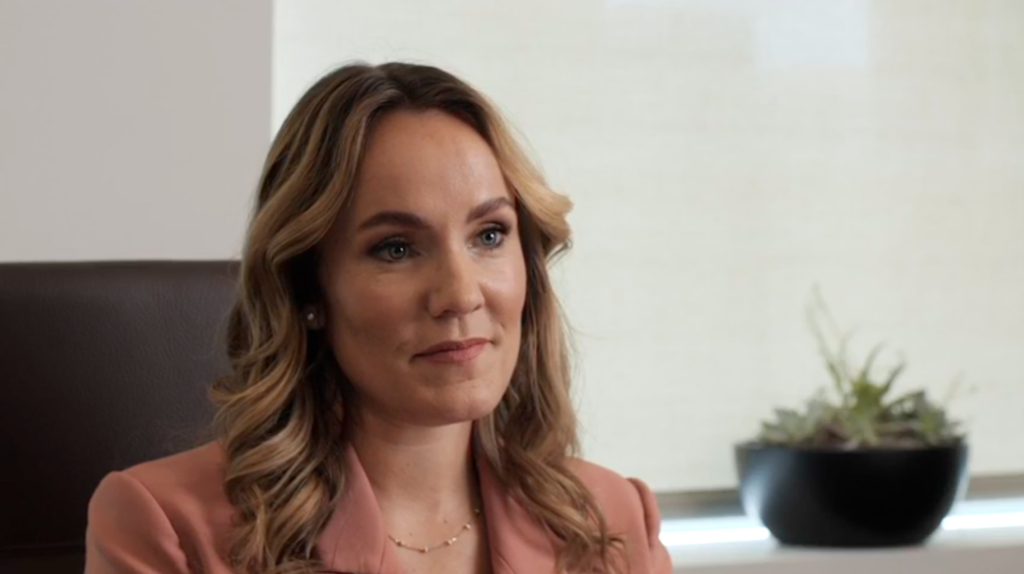
Happy to. Thank you, Laura. So Katelyn Depew, the fun story with Yvonne and I is we’ve actually known each other for the better part of a decade. We actually…
Even though I reside in Chicago now, Yvonne is out West, we sat next to each other for about five years, and Yvonne actually mentored me in the early part of my career at a former company. And it’s just so crazy how small the world is that we’re back together again. So it’s been a lot of fun getting to know her in this new space, in this new company, and I’ve really cherished that time together. When I’m not working with Yvonne and other clients, I’m at home with my family right now.
In the middle picture there, you can see my five year old son, Teddy, just started kindergarten. It’s been exciting and emotional with him. I also have two year old twins, Hadley and George. They keep our house wonderfully chaotic.
So busy, loud, and and full of constant problem solving.
So when I’m often asked, why did you get into financial planning? Why this industry? The honest answer is I love puzzles. I love floor puzzles with my kids.
I love Sudoku. I love crosswords, and I’ve always been fascinated by taking all these different pieces together and to figure out how they fit into a comprehensive picture. That’s what financial planning is to me. So in thinking about this women in wealth space, serving women, that puzzle can look different.
We often face unique financial realities, opportunities, challenges, and it’s why we here at Mercer have really built this intentional practice of how do we help women support women and make it built by women.
So understanding that, really, this whole process is so much more than numbers. It’s about family, relationships, legacy. I I really look forward to diving into some of these topics with you today to really talk through everything that we deal with.
Yvonne would love to just have have you echo and share a little bit about yourself and I… And and the fun picture you’ve got here to kind of bring your story to life.
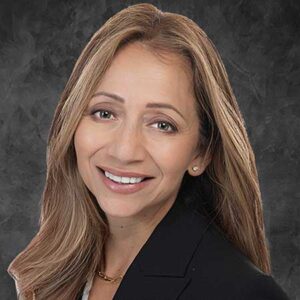
Oh, well, you’ll see in a future slide that this is one of my life’s many transitions. Transitions. This is… Was taken when my son finished up college, and we were out golfing. One of the great things about living in a resort town of Scottsdale, Arizona.
And so it was…
I picked up golf primarily, to be honest with you, is to build a relationship with my son. He is an avid golfer, and I wanna be able to spend time with him. So it’s a wonderful excuse and hopefully get better along the way. But one of the reasons that I’m really excited about women in wealth is that, quite frankly, women are incredibly great at taking care of everyone and everything.
We build our careers. We raise our children. We grow our families. We support those that we love, and we definitely navigate toward life’s unexpected turns.
And what’s really… What… In thinking about myself, what’s really prompted me or the question that that I always ask myself is… Or others is how often do we actually stop and ask ourselves, am I financially prepared for this new chapter?
And so we have these life transitions. We either anticipate them. We plan for them. Maybe it doesn’t go according to plan. But when these changes happen, our financial lives also have to change and adapt with it. And that’s really at the heart of, like, why I’m so passionate about women and wealth as a mother, as a woman, as going through many of these life transitions myself. Some of them did not go according to plan.
I do believe that a lot women deserve to have that confidence, that independence, and that empowerment to be able to make those type of decisions to live the life that they want. And so when we think about wealth, I think about choice. I think about confidence, and I think about the independence piece and and how to navigate toward those transitions.
I love that. Thanks thanks for sharing that. And and for the listeners, wanting to bring to life a little bit of of our story, so glad to to share some personal photos.
Mine mine is on on the left here, and Katelyn and I share having twins in common, so we’ve bonded and connected over that. Despite the fact fact that this picture looks like I have two sets of twins, my my youngest, the boys, are twins, and I’m blessed with four daughters, which is really my passion around women and wealth, making sure that they have all of the information, they have the confidence and clarity around their financial choices ahead of them, and they have a a team that could support them in the future, which is the work that we’re doing here at Mercer Advisors. So we’re gonna…
We have a lot in store for you today, and I’m excited to kind of talk through. We built a discussion today that is…
I think has a lot of relevance for a broad range of life situations. So kind of wherever you’re joining us from today, there…
There’s a lot that we can talk about. Whether, you know, we’re we’re gonna be pay…
Placing an emphasis on a series of of life transitions that you might experience kind of along your life journey. These might come in the order that you see here on the screen, but they could pop up in in different cases. And so we wanna be able to talk through practical strategies about getting ahead of expected life transitions, things that we know that are coming, because preparation is gonna be incredibly important and can smooth out some of the financial, logistical, and emotional challenges that come with major life changes. But it doesn’t erase every challenge, but it does help them make make them more…
Make make it easier to navigate them. And as Yvonne mentioned, you know, there are some life transitions that arrive without warning. And we’re gonna spend the the later portion of our conversation today really tackling two of the the harder ones, widowhood and divorce. Those things show up unexpectedly.
But what I wanna pause first here is I’d love to invite you all to engage with us. So we’re gonna we’re gonna test a poll here today, and I’d love to just get some audience participation and kind of understanding where you are in your life journey, you know, a…
Maybe finding yourself in a transition or or navigating. So we’re gonna see if we can get this poll live. If not, here here it is popping up for us. So which transition best describes your current situation?
You know, we’ve we’ve got a few things on there. They’re grouped into some larger categories. So we’d love to just take a moment, have you respond to that so we can get a sense of kinda where where you are all coming from today, and so we can help tailor today’s conversation.
So we’ll we’ll give you another few seconds here to submit your answer quickly and kinda see where we are before we close the poll here shortly.
Okay.
Well, I think the the poll will will tabulate those answers as as we’re coming together and as that starts to close here.
But I want to kind of, again, highlight, you know, a lot of different things. The other thing that I’ll comment on, you do have a q and a feature on today’s webinar. So Katelyn, Yvonne, and I would love to be able to answer questions live that are relevant to to all of you. Many of you submitted questions ahead of time, which helped us craft today’s conversation.
But if you’re finding yourself, you know, planning for retirement in the in the next couple of years, we would love to be able to kind of continue to to tailor the conversation or if you have specific questions around any of those items at all. So we’re gonna jump into these…
Starting to think about anticipating transitions. So we’ll walk through anticipating some transitions, and there’s a lot of things happening with women and money today. And so I wanna set the table and kinda think about the landscape that we find ourselves in. I’m sure many of you have heard about this thing called the great wealth transfer.
If you haven’t, it’s this idea that women are inheriting wealth at the the largest rate that we’ve ever seen in history. And by 2033, U.S. women are expected to control $30,000,000,000,000 with a T. It’s a it’s a massive amount of wealth. And so wanting to make sure that we are prepared for that is gonna be incredibly important.
And so this is one of the statistics that we look at regularly and why we wanna make sure that we’re in a great spot to connect with women and make sure that Mercer Advisors is delivering on those services. But I’ll I’ll hand it over to to our host to get…
To walk through the next two as well. And, you know, talking about breadwinners, I think a lot of individuals find it very shocking that 45% of women, so almost half of women identify as a breadwinner or a co breadwinner, but many still don’t see themselves as that financial leader in the family.
So to us, being that breadwinner isn’t just about earning income.
It really means understanding how do all the pieces fit together. And in my experience working with a lot of female clients, a lot of us are already making major household decisions.
So I think this is really an opportunity for us to have that conversation about building confidence around those financial decisions as well.
In transitioning or, I guess, previewing a little bit of the future conversation, at some point in life, either because of maybe widowhood, divorce, or simply family circumstances, women… More women may become that financial… Primary financial decision maker. So trying to prepare ahead of time can really create confidence and reduce stress if and when it does arise.
And Yvonne?
Yeah. Well, in addition to that, I think the one thing that really stands out is that not whether or not this is going to happen.
It’s the fact that it’s going to happen. And so the question that we all have to ask ourselves as women is, will I be prepared when that moment occurs? And so that’s what we’re really hoping from this webinar is that it prompts you… May not give you the exact answers, but it’s prompting you to ask those questions to yourself and if you’re married or have a partner and having those conversations.
Will tell you the last several meetings that I’ve had is with couples, and it’s generally the spouse, the husband who’s been really taking and making the decisions.
And he is now at a point where I need to build a continuity plan should I be unable to make future decisions and then bring her along to understand the the depth of the financial planning and and where is it that they wanna go.
Yeah. Yvonne, I love that statistic, the 95%, because I I think you hit on this, and I’ll just reiterate it. Question isn’t really whether a woman will become the primary financial decision maker. You know, it’s to it’s your comment, it’s it’s when. And many many of many of us is gonna be when, the majority of us. And so I love that you said, are you gonna be ready when when that happens? So I think that’s a a key piece for today.
So, Yvonne, kind of with that same theme in mind, I mean, you just shared you’re working with women every single day. You know, what do you see as as kind of the difference between a woman who’s, you know, discussing or or thinking about transitions in this role smoothly or… And ones who struggle? What are what are you kinda seeing in… Especially for these key women decision makers?
So what’s really interesting about this slide, Laura, is the the statistics. So we obviously live longer.
Generally, husbands are two years older, and so that’s seven years of potential widowhood That women face. And so the biggest difference that I’ve actually seen whether they’re going through the smoothly or they’re struggling is not just how much wealth they actually have, but it’s how prepared they actually are and how involved she is.
So take two women.
And I… And by the way, I’ve met many women in in… You know, from one end of the spectrum to the other. A woman can be highly engaged, knows the advisor as part of a meeting, asking the questions, comes prepared.
And then to the other end of the spectrum, I have an individual who may not be involved, or maybe that person doesn’t have an advisor and doesn’t really show up. You know? And if they have one, they don’t really show up to the meetings. They they they actually…
They do a drive by on Zoom. They’re like, hi, and then they walk away. And so it’s the same situation when someone passes on or is unable to make financial decisions. The wife is…
The partner is certainly facing a really difficult time. It is emotionally stressful.
I feel it. I see it. I feel it. And the former is really the one that has the strong foundation of someone to lean on and a team to lean on.
And so this isn’t really about intelligence or capability. It’s about preparation. It’s about familiarity, and it’s about having the right support systems before that transaction… transition actually occurs.
Exactly. So I I love that. So let’s maybe think about some some ways that that women listening today could prepare. You know, if you’re kind of thinking about transitioning into that sole decision maker piece, you know, there’s there’s kind of three key buckets, you know, financial literacy and access, documentation and systems, you know, skill building, not not just information, but having some of some of the skill building. So let’s let’s kinda walk through this piece again and and break this down down for listeners. So, you know, Yvonne, maybe what does financial literacy and access kinda look like in in practice?
Okay. I’ll tell you what it’s not. It’s not like going to Amazon and ordering books, running to the Barnes & Noble, and all of a sudden getting an investing one zero one book. So it’s not about that.
It’s it’s really about having the knowledge and the confidence of understanding your entire financial picture. So first off, it’s understanding your income picture. Do you know your net worth? Do you know…
And when you do your net worth page, you’re looking at the full picture.
You’re looking at your home. You’re looking at brokerage accounts. You’re looking at four zero one k statements, IRA statements.
Cash flow, you’re looking at if you own if you own multiple homes, like, the income is with the… And also your cash flow. You’re looking at Social Security. You’re looking at annuities. You’re looking… So there’s a myriad of things that you have to look and understand. The second piece is, do you have access to these accounts?
Do you know where they are? I’ve I’ve actually been in several meetings when the partner, the woman I’m working with, does not know where all these accounts are, much less know the… How to be able to access or know the passwords. So you’re going to be able to have to have accessibility to these accounts that should, you know, need to… Like, something unfortunate were to happen. So that is really instrumental. And then finally… And, also, I know I saw a question in regards to earlier on, like, taxes. How do you make a tax efficient withdrawal from all of these different types of investments?
So that leads into the last piece is knowing your advisory team. So sitting across for many of my clients, it’s really important that I not… Just not understand the person driving the conversation, but also the partner. I need to understand her goals, her values. I need to understand the family dynamics. Keeping the family dynamics intact during this whole process is instrumentally and equally as important. So I… Again, financial literacy and access in regards to the income picture, account access, and knowing your advisory team.
I love that. And then I and then I can just kind of talk a little bit about the documentation and and system sides. And I think, you know, you alluded to this, Yvonne, a little bit. I think this is a a lot of times I see where couples maybe have gaps that they don’t even realize are there.
Or, again, you know, maybe you’re, you know, stepping in and and taking care of some family situations, kind of understanding maybe where your parents’ information is or your children’s information. But I think you alluded to this, like, the account credentials, you know, making sure both of you can easily access information on important financial and household accounts. You know, oftentimes, I recommend kind of a secure password manager or a shared vault where you can have almost everything in one spot. I was actually with my my sister this weekend, and I I loved this strategy that she and her husband are using where they have a shared email account.
Like an email account that is just…
If both of them have access, it’s both of their names and kind of anything that they would both need to be on goes to one spot. So that was my my hack that I might borrow from from my younger sister to kind of streamline some of the information and and where things are coming.
You know, the other thing from from a documentation, you know, we’ll see here and we’ll talk a little bit more about some estate pieces, but making sure those estate plans are up to date. Think any sort of transition would warrant an opportunity to look at your estate plan again. You know, is it current and in line with your with your today’s life situation? You know, tax laws change, you know, estate planning laws change, families change.
And so if your estate plan, our general recommendation, if it…
Is if it’s more than about three to five years old, especially your incapacity documents, this is an opportunity where it likely needs to be reviewed and updated. Other things to consider, you know, merit, you know, life events, major life events, marriage, divorce, arrival of a child. As you can…
As you saw, I’ve updated my estate plan several times as I as I have six children, or or any significant asset trigger. If you sell a business or something like that, that could all trigger the opportunity or the need to update your estate plan. And and the last thing I’ll add is is beneficiary designations. This is something that I see, and and Yvonne and Katelyn, you could probably echo this.
I see beneficiary designations sometimes overlooked. You know? I think there’s a statistic out there that nearly half of Americans don’t have named beneficiaries on their retirement accounts, which for us in the industry might be shocking, but it’s it’s pretty common. And a will actually does not cover your retirement accounts.
Your beneficiary designation would actually supersede a will. So making sure that you’ve got the right people. Again, if you get married, you get divorced, make sure you go back and and check those accounts. This is what Yvonne and Katelyn and I review with clients that we work with regularly to make sure that everything is updated on these kind of major life event time frames.
So that’s that’s kind of the the middle section here. But, Katelyn, I’ll let you talk a little bit more about this idea of not just information, information, but what is true skill building?
This is this is a really important one because a lot of our clients, I feel like, do know where the accounts are located. If I have a couple come into a meeting, they both know that the accounts are at Fidelity or or the banking or where the CDs are. But it’s very different to know where things are, but have…
And to have actually logged in or transferred money, to have reviewed a statement or participated in the meeting, like Yvonne said. You know, the flyby, hi, participant is relatively common in the Zoom world now. So my goal with all my clients is to really create two capable partners, two individuals that can work together and both know what’s going on. And I love this first point where it says take turns driving the monthly finances.
I would equate this to learning to drive. You can read the manual about how to drive. You can read the drive team instructions of how far to stay behind another car or how to turn it on, but eventually, you will have to sit behind the wheel.
And often, that experience is very different. So I encourage a lot of our couples to take turns leading these meetings. So maybe one quarter, one spouse leads the questions with the advisor. The next quarter, the other spouse pays the bills or does the the distributions to charity or the gifting to the grandchildren, whatever it may be. But practice these skills ahead of time so that when a transition does happen, they feel a lot easier.
That last point, building an independent credit history, that can always help because if if one spouse does predecease shutting down any of those cards, if you relied on a spouse’s card for that, can be very important to have your own independent credit history.
Right. And, Katelyn, walk us through, you know, kind of getting on the same page as as your spouse. And I know there are… You know, not everyone on this this call is married. There might be some women who are single or divorced or widowed, for example. But for… You know, one of the things that you said kind of about getting on the same page, we we have really a resource that we developed to kind of help in in many cases because we do often see couples struggle with this. But I know this might not be relevant to everyone at the… On the call, but wanted to at least highlight this resource that we have available. So walk us through this.
Yes. This is an awesome questionnaire that our women in wealth team created. Didn’t create it in a conference room. It was developed after hundreds of conversations with clients about financial roles, responsibilities, and concerns.
We we kept hearing, you know, I don’t know everything my spouse does, or I really thought we were on the same page, but our assumptions or our goals or our feelings towards things are actually very different.
So this questionnaire will help you have a better conversation with your partner about the finances. Ahead of this meeting, I actually had my husband and I take this quiz to see where we were on this. I mean, I’m in the industry, so I’d hope you’re on the same page.
But what surprised me wasn’t actually the answers of how we answer these questions. It was just the discussion that followed. My husband brought up a great point, and don’t ever tell him I said that, but about the world we live in with multifactor authentication. So, Laura, I’m stealing that idea, but all of his accounts are multifactor.
Meaning, he can log in, but it sends an email to his phone or a text to put another code in. I wouldn’t have the ability to do that if I didn’t have his face by me. So it really…
It prompted a discussion between us of, like, how are we going to do this? If if something were to happen to you and you have multifactor authentication on account, and we all know what’s happening with security, measures are getting tighter and tighter, how would I access it? So this questionnaire, it really creates good opportunities for couples to have conversations before you realize that you need to have them. It’s gonna give you some ideas of what you should be thinking about, what gaps you may identify before these gaps become problems.
So this is a good resource, I’d say, to to take…
You know, if you’re married with your spouse, if you’re…
If you have someone that’s helping you, like a trusted individual, maybe it’s a son or daughter or a niece or a nephew that’s helping you with your finances, this could also be a good quiz to take with them just to make sure they understand where everything is or how things would work out if a transition were to happen.
I love that. So for for… If you have an iPhone or or anything like that, you can go ahead and open your camera. You can, you know, take a take a picture of this and be able to access this quiz and resource. We’ll also have this available in the replay and a link so that you could access this directly as as follow-up if you’re… If you don’t wanna take a picture on your phone and and have something multifactor authenticated to get to the the quiz.
All all kidding aside, but just a great resource to get on the same page. And I I think, Yvonne, you mentioned this. It’s, you know, a lot of conversations that I’ve had with women where where maybe their husband, in in many cases, has kind of managed everything, and and they don’t have as much involvement. It’s a great opportunity to kind get them involved and be able to say, hey.
I’d like to learn more about this. It’s an easy way to to start taking the wheel a little bit while you’re while you’re learning to drive there. So I think that’s that’s great. Thanks for walking through that.
The next piece that we’re gonna talk about is a transition that we see pretty regularly where the statistic, you know, that Yvonne mentioned on longevity, on health span, this actually relates very, very strongly to that women are more likely than men to provide elder care to aging parents.
And so when we kind of see the statistics, it’s almost glaring, you know, that we think about the the number of Americans who are providing care, sixty one percent of them are women. Yvonne, Katelyn, and I had had a fun conversation that if you actually drill down into that deeper, eldest daughters are generally the ones who are tapped with this responsibility or kind of carry carry the weight of this. And we had a fun conversation realizing that all three of us are eldest daughters. So just interesting to see.
But how do we think about kind of planning ahead for this? How do we think about, you know, making sure that if this is something that we find ourselves facing, how do we prepare for this? Because it can be…
There’s there’s a lot of financial questions and and potentially some burden that can come understanding and maybe stepping into this. So when we think about ways to do this, you know, we wanna make sure that, obviously, you know, your financial plan is on track first, but really then being able to help step in. And like Katelyn said with, you know, anything on…
I don’t… You know, just elders being able… Being taken advantage of and and having money, you know, scams. We sometimes see, you know, that on the Internet or something where somebody called and they they thought it was their their friend. But how do you actually protect your parents or people in your life, whether it’s aunts and uncles, you know, family members, neighbors, some things like that? So wanna talk through a couple different ways to prepare for this.
So there’s a couple concrete steps. I’ll start and really talk about this this first kind of piece when we think about understanding and just having the conversation. You know, that to me is is where things start. And in talking with clients over the years, there there is…
Was kind of a common theme years ago, and and it’s probably still to some extent where a lot of…
You know, some generations did not talk about money. And some of you listening from wherever you are might be nodding your head and realizing that was that was me. My parents never talked about money or whatever your your situation may be. But this is an area where we are really encouraging, especially if you find yourself in this situation where you will likely be the person stepping in to help aging parents or aging family members, starting the conversation now, being able to talk to them while they’re still healthy about their finances.
What are their goals? What are their plans? What would their preferences and wishes be in the event that they needed additional care in the future? For example, living arrangements.
Being able to have those conversations early, this is how we navigate some of these life transitions as we get ahead of it so that we can be prepared moving into the future.
And the second piece that I would highlight is is really making sure if there’s any legal documents. You’ve had the conversation with your parents or family member or, you know, neighbor, for example, getting those legal documents in place. So if there is something we meant…
I mentioned updating the state plans earlier. You know, being able to make sure that we have a state plans updated and current so that you can make sure that your parents or friend, family members wishes are the way that they want. Again, this would be a durable power of attorney for health care or, you know, being able to have those documents in place so that if something were to happen, you are the named representative and could represent your parents in many situations. Again, we we don’t wanna be in a situation where the documents are outdated or, know, someone in the family who’s, you know, not speaking to your parents is named, you know, wanna make sure that you are ahead of that and have the right legal documents in place, especially while everyone is still healthy.
So, Katelyn, why don’t you walk us through the other two?
I think understanding coverage and eligibility is super important. And when we think about this, we often think of kind of two main sources of who could help or what systems could help provide this care. The first is is Medicaid. Medicaid can, in some instances, cover some long term care expenses, but as many of us may already know, there are income limits to that. Medicaid also has a five year look back, so you can’t just spend down on all or shift all of your assets out of the accounts to hope to qualify for Medicaid. They will look for that.
So understanding who may be eligible for Medicaid, what it could cover is very important. The next would be long term care insurance.
A lot of our clients do have long term care insurance policies that they’re either currently paying into or have already paid up.
Reviewing those with your advisor to make sure you understand what is covered, if there are… What the qualifying events are in order for that care to enact, in order to understand the repayment. Are they gonna bill them? Is this a reimbursement policy? Understanding how all of these mechanics work ahead of time can make it much easier to understand what’s going to happen when when the crisis does does occur. And reiterating kind of the first point, this align with family members, it really is all about having a conversation.
The care issues are not really financial problems. They’re communication problems. So I encourage all my clients to have this conversation while everyone is healthy, while level heads prevail, trying to make sure that we can all align on who’s going to help with mom, with dad to make sure that we can prevent as much family conflict later as possible.
Because, you know, even having a plan, having long term care insurance, it’s not going to eliminate the stress, but it does reduce some of that uncertainty during these really difficult moments.
So prepare as best as you can.
Yeah. I I love that you highlighted kind of having having the conversation earlier because it’s it’s a lot harder to have that under pressure. Right? If if there’s a major medical event or something, every…
Your comment around stress, the stress level is high. But if you can have a plan going into that, really critical for the success of the outcome there. The next piece that I wanna talk about is kind of this idea of retirement transitions and retirement planning. And I know I know there were some questions, and we’ve we’ve talked a bit about, you know, married couples, for example.
But I think retirement planning really looks different for women in in general, whether you find yourself single and you’re never married, never divorced, anything like that, or you’re married, or you’re, you know, in one of these other categories. We wanna make sure we’re covering kind of a broad range of women and and all women for that matter. And so retirement is a transition that, you know, many of us will will face. And so, Yvonne, I know you’ve spent a lot of time focused specifically on retirement, you know, planning, retirement income planning for women that’s…
You know, and and the way that it’s kind of structurally different and what that means for for how we plan. So set the stage for us, you know, how how retirement kit…
Could look different for women in particular.
You know, what I thought was really interesting about this slide, Laura, is that women retire with about 30% less than men, and it really prompted me to think why. And there’s just so many reasons, and I’m sure I could throw it into AI right now, and it would give me all the statistics.
And each one of them, I probably come across.
And so I think the number one reason, if I had to pick one thing that women underestimate about their retirement, it would quite frankly be is how long does this money need to last me for? And and that is the number one thing. I mean, we we we obviously…
We already know we live longer, but there’s also inflationary costs. I recently met with an individual. Her husband right now is in memory care. It’s about $12,000 a month to cover those expenses, and those costs are rising.
And they do have a long term care policy. The other thing is if you don’t have long term care or having purchased long term care, you’re going to have to self fund it. And the cost of health care are…
Is the inflation for that depending on…
Especially depending on the state could reach upwards of six or 7%. So we have a tendency when we’re going near retirement. It’s like, we’re all excited. Like, what does retirement look like?
I’m thinking golf. Right? And I’m thinking about traveling to go see my son since he lives out east. So I’m thinking about all the things that I wanna do.
But have I personally put pen to paper or Excel spreadsheet and put it in through, like, our planning software to figure out how much money do I actually need to be able to sustain me during my lifetime.
You know, I have longevity. My grandmother passed away at a 100.
And so… And I’m like, oh gosh. That’s a long time. So am I prepared for that? And so do I have enough to live on to live the life that I want? And I think that’s a question that we should all ask ourselves.
Does your wealth provide the security and flexibility and independence that you want? Because, ultimately, it’s you that creates it. I have the privilege of working with many women that have been really intentional about their financial lives. And so…
And, obviously, as an advisor, we’ve been working together and and doing a lot of planning. And it’s really awesome to see what’s really important to them, whether, again, I mentioned traveling, going to see family, taking them on vacations, going to go do college visits with their grandkids. That’s so great to hear. And so all of those really is the experiences and how you wanna enjoy love…
Your life. So I think the value of it is from working with an advisor, it’s it’s simply not just having the resources available to you and having saved what you’ve saved and having it invested. But the other part of it is I see myself as not just an advisor, but as a coach, as an accountability partner, and really providing a peace of mind. And I think the keyword here, peace of mind and confidence to live the life and spend the the dollars to live the life that you want.
So so it runs the whole gamut from preparing to retirement, actually, like, triggering and putting together that income plan and and then moving forward and then spending those dollars.
I think that’s great. And and you kind of highlighted this a little bit, but I just wanna draw people’s attention to, you know, some some ways that you can, you know, really help to to strengthen your retirement plan. And and, Yvonne, you kind of mentioned how you’re walking through this with many of the women that that you work with and and alluded to the fact that with with your grandmother’s longevity and your potential longevity, you know, women tend to live longer. They take more career breaks, whether it’s to raise children or care for parents like we’ve already discussed, and statistically are gonna be more likely to need long term care.
So being able to kind of think about a retirement plan that’s just built on average assumption, that’s a lot of the work that we’re doing with the women in wealth practice and the advisors that serve women. We’re really thinking about how do we customize and tailor the plan to not just be kind of the statistical average. How do we actually think about with women’s longevity in mind, maybe adjusting the plan to make sure that we have enough to last us to the end of our life? Say we live to 95 or 100.
So kind of really thinking beyond just average, particularly for women, and that’s, you know, something to work with your advisor on. Making sure if you’re thinking about, like Yvonne mentioned, you’ve got a family history of longevity. We want a plan, you know, your plan to be reflective of your actual circumstances and the likelihood that that may occur. So I think that’s that’s an important piece there.
So, again, these are these are some strategies, and and maybe I’ll let some others, you know, jump in on and kinda talk through some of the other strategies. Maybe Katelyn would love to hear from you on on Social Security.
Of course. That’s that’s an important one because Social Security is often one of the largest assets our retirees have. Yep. A lot of our clients don’t really think through the options when claiming. So you can claim early. You can claim at your full retirement age, or you can claim at 70. And all of them may have certain instances where it makes sense depending on your financial situation, other sources of income, other assets, whether your spouse is currently working, but we really should take all these into account.
So other retirement income sources, your marital status, longevity risk, in this claiming decision, really, it doesn’t just affect your income, but it could potentially impact survivor benefits as well. So for married couples, really focusing on developing that coordinated strategy can really be an important decision point as part of your overall retirement planning.
Great.
And then, Yvonne, what about any… Anything on the… This this ten year kind of rule on Social Security?
So several years ago, I was sitting… And then I do bring it up, especially for women who’ve been divorced, but I sat across a woman who was nearing retirement.
And she was all excited, and she… I asked her, you know, she was single as she’s ever been married. She said she was married for eleven years. And she was so surprised to have learned that because she was married for over ten years and did not remarry, that she could also claim she could claim… Not also, but she could claim her former spouse’s Social Security income.
And so I’m sure that there was a lively conversation between her and her former husband. I’m like, well, you can’t…
It wasn’t part of our QUADRO. It wasn’t part of the divorce decree, but this is totally separate. If you have been married for over ten years and you are divorced and did not remarry, you can go ahead and claim your your former husband’s Social Security. And all of this really ties into what your income floor is.
So we have your essential expenses. K? So Social Security, pensions, maybe income from an annuity that you purchase. So all of these are going to be covering your essential expenses.
If you don’t know what that income is, like, we need to put pen to paper and figure out what exactly do you need. Is it your mortgage? Is it rent? Obviously, you still have taxes to pay for.
And so what are those essential things that you need to pay for? And then we need to create a income for that for that…
For those essential expenses. And so that’s going to be really important.
And then, obviously, there’s funds that you have that may be over and above that and have a little bit more flexibility. So we take this all into consideration. We help a reliable income for that… For those essential expenses, and then we also should stress test it. So a lot of us on the call have went through a lot of market downturns. The biggest one, you know, and just I remember how this one personally affected me, was two thousand eight, nine, ten.
And, fortunately, I was not retiring at that time. But should I’ve been retired, was what… You know, that have had clients that their lives did have to change. And it’s really important to put a stress test around it because when you take money out, when the market is in very negative territory, it it it does impact your future years more so than if you were to have a bad market in later years. So it’s called sequence of returns, and I think that’s really important. And, so coupled with Social Security, long term care, incorporating additional savings, this all ties into that last quadrant.
And, Yvonne, thanks for walking through that on on the the spousal piece. There was a question that come in that came in that was kind of interesting and and on the opposite end of the spectrum. So if you’re a woman and your ex husband, the rules would still apply where they could then, you know, claim against your benefit. So it does go both ways. So a great great question that that came in there.
I I think that there’s, you know, again, just just something to know that if you were, you know, married and never remarried, you do have the ability to to claim on on those…
Both sides of the other thing that I wanna highlight is this idea of catch up contributions. And what I mean by this, I think there’s…
This is something that there can be some confusion around. So when we think about retirement savings, we were talking about kind of the the gap maybe that that women see based on retirement savings, be…
Generally based on, you know, choices that that many of us have made to, you know, raise young children, to to care for people to go back to school, all of those pieces. I think that there’s an…
This idea of the retirement contributions. And and just wanna highlight that for, you know, many women, you can fund your retirement at a pretty large levels, especially if you have…
If you’re still working and you have an employer retirement plan. You know, there…
There’s a lot of options and ways that you can continue to fund into your retirement account. So one thing that I’ll highlight is the catch up contributions. If you’re age 50 or older, you can actually catch up and do an an additional $8,000 per year of savings. So the kind of the standard rule for a four zero one k plan, if you’re employed and working, you can fund up to $24,500 this year.
You could also do an additional 8,000 if you’re over 50 for that total of 32,500. So great way to kinda supercharge if you’re feeling like, hey. Maybe I took some time off and I wanna catch up. Great option.
And there is an enhanced super catch up because we we like super catching up. That was kind of a result of some recent legislation. So if you’re between ages 60 and 63, you’re eligible. Good news for this super catch up kind of before Social Security kicks in.
So you can do an additional…
A few additional thousand dollars as well.
So that that number goes up to $11,250 for that catch up. So you’re able to kind of that total contribution of, like, $35,750. So I always encourage women in particular. I can’t tell you the number of times I hear from women.
I’m maxing out my four zero one k, And I say, you’re you’re funding, you know, 24,000, 32…
Oh, I’m getting 5%. That’s what my company puts in. I’m like, that is not the max. So just wanna share with everyone on the on the call that there is a lot…
You know, tens of thousands of dollars that you could save every year to kinda supercharge your retirement account and get you closer to meeting some of those goals. So I wanted to do that. But, Katelyn and Yvonne, let’s kind of lightly touch on the last two. I know we’ve talked a little bit about long term care.
There was a question about, I’m in my eighties, do I need long term care? Maybe just kind of a quick lightning round on these last two things, on on…
As we walk through. So, Katelyn, I’ll go to you.
Yeah. Sure thing. I think, you know, long term care costs are going to be there for for many of us. We’re going to have an event where we are going to require some more expensive care.
And as Yvonne mentioned earlier, it is super expensive, memory care especially. What I love about our financial planning tools is that we have the ability to build in these additional costs through some what if scenarios. We can build in three or five years of 80 or a 120,000 in charges going to long term care. We can then talk through how are we gonna fund that.
And based on the stress test of your plan, do you have the assets?
Do you have the taxable investment accounts or the requirement of distributions going to cover this? And we can walk you through that, or does it make sense to help protect the rest of the assets based on your goals or based on what’s available with something like a long term care policy?
Often when you’re getting into your eighties, that policy may be too expensive, but we can definitely explore all the options available.
Awesome. Yvonne?
Yeah. It’s definitely worth exploring. I have it from both ends of the spectrum that we are actually reviewing and seeing, okay. Can they self fund this?
Which means, can we go ahead and pay for this? And we do…
Like, I love it. But I call it Caitlyn. I call it playing in the sandbox. So we do all these different scenarios in the sandbox to see what works and what’s not working, and it really helps with the planning piece.
So, again, it’s being prepared for those what ifs. So in the case of long term care, if if it’s self funding is not an option, is there a possibility of purchasing long term care insurance? And so there are ways to review that and to assess how does that fit into your financial picture.
Again, this this is really an important piece because this could actually devastate your net worth is health care costs. So it’s really important to keep that in mind, and it’s incorporated in all of our plans.
And I’ll just I’ll just pause. And and, Yvonne and Katelyn, you can maybe check me on this. But there was a couple questions around claiming your ex husband’s or ex spouse’s Social Security. You can claim…
You would get the 50% benefit, or you would get your own benefit, whichever is…
If yours is higher, you would get yours, or you’d be eligible for 50%. Fact check me on that. Correct. Yep.
The 50% benefit, and then that does not impact the other spouse’s benefit. That’s just another Yeah.
That clarifying point I wanted to make for new questions.
Out there, they are not even aware.
Yep. They actually don’t even know.
Nope. No. And it’s, again, it has nothing to do with the divorce itself. It’s an IRS. It’s an IRS role.
So great. Katelyn, wanna just go to you on some career breaks, because, again, many women might find themselves taking different career breaks, which I think are always great things and and the opportunity to kinda take a step back for a variety of reasons, whether, you know, that’s something you wanted to do or maybe felt like you needed to do. But talk to us a little bit about career breaks.
I think the great thing about this is, you know, career breaks of the past, I think, it felt very, like, society induced on a lot of women to stay home, take care of the children, and we didn’t think through the long term ramifications of that. I would say nowadays, this conversation has been much more normalized.
The question really isn’t, can I afford to take a career break? The better question is really what trade offs am I making, and am I comfortable making them? So first and foremost, going back to that questionnaire, this is a great opportunity to bring up this kind of conversation. There are some questions about there about how we’re saving, how we’re managing the family, things of that nature.
Where I talk with a lot of my clients is that, yes, stepping back can cost money in the short term.
However, those costs might be outweighed by family experiences, reduced stress, improved mental health, more flexibility, stronger relationships. So it’s all about weighing those pros and cons and helping our clients by putting these situations into your financial plan. What would happen if we redo…
Removed a spouse’s salary? Could we find ways to still help them save on an after tax basis or by doing spousal contributions to retirement accounts to still keep up with what we need for retirement. These are all things that Ivana and I help clients build into their financial plans on on a routine basis. So, you know, to me, financial planning should support your values.
It’s just…
It’s not only about maximizing a number on a statement. It’s by being holistic with with what really means the most to you and your family.
I love that. And and we’ve put together a variety of ways that that women could prepare for these. And and in an effort not to have everyone read all of these right now, I would encourage you to watch the replay, and we’ll include these… This information in our follow-up email that will go out with the the webinar recording. There’s a lot here. You know, talk to your advisor. Reach out to Mercer to understand how how this might impact you.
The next transition I wanna highlight is kind of this idea of a new stage of of parenthood. Second matrescence is is the term. Matrescence is when you have your children arrive and kind of the new stage of experiencing motherhood. Second matrescence is when they’re out of the nest launching free bird as I as I heard recently. But, Yvonne, just kind of talk to us a little bit about, you know, a conversation or something that that women could be thinking about here as this new transition is happening.
Yeah. Okay. So two things. One, I love the way you set up our pictures because from the number of children it dwindles down from Laura to Katelyn to myself because I just have one.
Very strategic, by the way. Okay. And the second piece is that I don’t like the word empty nester. Oh gosh.
I don’t know why, but I call myself a bird launcher. So so my son, as I mentioned, he recently graduated from college and…
Very bittersweet. Off the payroll, but now lives in Charlotte, North Carolina, which is thousands of miles away from me. I don’t know if that was his strategy or not. But that being the case, for many years, I provided for his basic needs and making sure he gets what he…
You know, his food, shelter, education. And now we’re both adults, and our roles have definitely evolved. So now it’s more about how could I support him during those major life milestones, whether it’s buying a house, buying an apartment, he’s getting married, getting engaged, and having a family of his own. At the same time, it brings up a lot questions.
It brings up questions about gifting. Do I gift him during my lifetime? Do I leave him a legacy? And, of course, Laura, as you alluded, estate planning.
Now now I’m…
Now the roles are reversed, as I mentioned. Now he’s…
And I should be having the conversation because he is part of my estate plan. He’s part of my power of attorney for health care. He’s part of my opportunity…
Power of attorney for financial well-being. And so putting this all together is how do we have those those conversations and having your adult children involved. So it’s more than just gifting and legacy. It’s also about your own financial well-being and when are you going to be providing those funds and also ensuring that your estate plan is up to date to incorporate that. So, equally as important is transferring your knowledge, your values, and confidence, instilling confidence in your children.
I love that. I love that.
So we’ve covered a lot of transitions that are anticipated. There are some transitions that are often not planned for, and widowhood and divorce, I think, are two of the things that we see very, very commonly.
And so how do we think about navigating two challenging transitions? So, Katelyn, I’d love to just hear from you on widowhood because I know you specialize particularly with our women in wealth practice that focuses on inheritors and widows who receive kind of… Are finding themselves in a new season of life. So talk to us a little bit about transitions for for widows. Of of course. Happy to.
I think this is a really personal one to me is I helped my grandmother navigate widowhood as well. And what I really learned from helping her is that grief can make everything feel very urgent even when it isn’t. So many widows are are immediately approached with this need to make decisions about investments, real estate, insurance, taxes, all these matters. And, yes, some things are truly sensitive, but the majority of decisions can wake. Mercer, with our women in wealth practice, we created a system where we specifically help new widows through the first few years of this transition.
This timeline that we are able to follow helps us understand what is truly necessary and what we can address later. And by having this as a routine practice that we can all follow, we know that we’re not gonna let anything slip through the cracks because we know what we’re able to wait on and what we will address later. The biggest thing too, I think, with widowhood is that confidence doesn’t grow overnight. Stepping into these shoes to manage the finances, to be that head of household, it doesn’t happen like that.
It’s it’s really rebuilt one decision at a time. So finding a good partner to help walk you through this, to understand your decisions and why you’ve made them, and to help you feel good and confident about making that decision can help you really take the reins and and feel great about kinda moving your wealth forward. So, again, my goal with a lot of clients and and especially with working with widows is to create space to make thoughtful decisions and not feel like we have to be reactive.
Exactly. Exactly.
Yvonne, I know you’ve specialized in in working with many women who have navigated divorce and work a lot with the women in wealth practice where we have a a whole divorce specialty. A lot of majority of those women are certified divorce financial analysts or CDFAs. So they’re trained and have knowledge specifically around divorce and and walking women through predivorce, during divorce, and post divorce. But what are you kind of finding a good outcome looks like from this unexpected transition?
Well, it goes back to being prepared, but really understanding that this is obviously a greeting time as well. But you really need a strong team. You need the financial aspect and the legal aspect. And I really wanna differentiate the two because you hire attorneys, and the attorney protects your legal interests. They they are actually there to ensure that you get what you’re entitled to.
That’s their job. And our job as wealth advisors is to protect your financial future, to consider taxes, to consider retirement, to consider your long term wealth and for today and tomorrow and the estate planning piece. So the two are are are very…
They all…
They both have different roles and responsibilities. So it’s really critical that you do have a team and that you prepare for this meaningful front. A lot of individuals make a lot of emotional decisions during this time, and and this is when you just have to separate the two. And it’s really hard to do that.
You have, like, this…
You…
Well, you…
Here’s a good example. You wanna keep the house.
You wanna keep the house. Your children were raised there. The the schools are nearby.
Your friends are close. It’s a part of their routine. But you have to look at this from a quantitative standpoint. How does this impact your cash flow?
How are you going to be able to afford the taxes, the mortgage, and so forth? How does it impact your retirement? How does this impact your goal of helping pay for your children’s education? So there’s a lot involved.
There’s a lot of emotion involved during this time, especially if you’re getting divorced and you have children. And so, again, taking a step back and looking at it from a qualitative and quantitative standpoint. So a good outcome is not really what you walk away with. It’s walking away with a really strong financial foundation that allows you to move forward confidently.
I love that.
So I know I know we’re bumping up against time here, so I I appreciate everyone being involved. I I wanted to kinda leave you with a couple things today. If if you are finding yourself, you know, kind of joining today’s call, looking for a financial advisor, what should I look for as a woman?
You know, these are these are some key statistic…
Key things that I would encourage you to think about. You know, someone who someone who listens, someone with expertise in this specific transition, this is part of the reason that Mercer has a national women and wealth specialty practice to be able to meet the unique needs of women investors, not just from a generic sense, but really specialize in your personal situation and being able to have this collaboration. And I know Yvonne and and Katelyn and I are are able to stay on for a few minutes because I I…
We’ve gotten a few questions. But just want to leave you all with if you do…
You know, if you’re joining Mercer advisors today for…
And you’re already a client, I would encourage you to reach out to your wealth advisor to discuss how anything we talked about today might specifically apply to your situation. Maybe you’re finding yourself approaching, navigating one of these transitions, so being able to bring that up with your advisor. And if you’re new to Mercer advisors, we are so glad that you joined us today. And we would encourage you to grab your phone, scan the QR code to schedule a conversation with one of the amazing women on our team to learn more about how you can get…
Be proactive. You can be thinking about these transitions. You can be prepared to best navigate these these transitions with confidence. So we’d encourage you to to go ahead and and scan that code and schedule a time to chat with us and just take a look at, is there anything that we can do to help?
So we’d we’d love to do that. Katelyn and Yvonne, I know there were a few questions. So I’m…
I know you and I are happy to stay on for a few more minutes. A lot of questions on some tax planning and kind of age, which we didn’t really tackle today, but, you know, there’s some some ideas and a question around, you know, IRAs. We were talking about tax. You know, we were talking about income for, Yvonne, that you had mentioned.
Some questions around rolling an IRA to a Roth at at age 70.
My my best lawyer answer is it’s probably… It depends on on a lot of the situations, but maybe just kinda share an example of a… How a Roth IRA, you know, a conversion might might be beneficial, particularly for for women.
Well, I’ll start off. Timing is everything, and so it certainly plays a role in Roth conversions. So you wanna do it when your income is low. So the the best time to do it is before you actually are do… Are taking out required minimum distributions.
And so before you take the required minimum distributions, maybe even perhaps before you start taking Social Security if the goal is 70. So we have to really look at, you know, the time in regards to, like, what does your income stream currently look like, and how much do we wanna convert. The dollar amount that we actually convert, we wanna be really careful with that because we don’t wanna bump up your tax bracket. We also wanna consider Irma.
We wanna consider your your Medicare benefits. Parts d and d are impacted by the income that you’re making, and so we wanna be careful with that. The end goal is obviously, does this make sense to you? I love your answer, Laura.
Yes. It depends.
It depends on what your goals are because you’re paying the taxes up front. So you wanna look at, like, does this make impact? Like… And we actually can look at it and and do a lot of projections. From a tax perspective, is it better from from a tax scenario? And, also, does this allow the second piece? And this might be the most important piece. I wanna leave tax free money to my children.
So that’s another piece. I will sit… Went through one other thing. There’s also the cost of being a widow. So if you have your own IRA and he has his own IRA and now you’re no longer filing jointly, you’re filing single because someone has passed away. So now you have these two rather large RAs. That is a huge tax increase because now you’re filing single, and you have a rather larger requirement of distribution that you have to withdraw.
So that would be an a great a great point on… And we often kind of refer to it as as the widow’s tax. And so being able to understand and plan for how that might change your your financial situation. So I think that speaks to a lot of the modeling that we’re doing.
Katelyn, I might I might ask you this one. There was… There were a few questions that came in specifically around, you know, maybe someone who has stayed at home with the children and is now facing a divorce ahead of them, maybe some additional debt. How would you kinda walk alongside a woman in that situation to kind of get her on the right track and feel confident about her financial future?
I think the biggest thing is just having open and honest conversations, talking through the pros and cons of a lot of things, making sure she feels educated and confident in what she has, whether that’s assets or whether that is is debt, understanding what that means as part of her overall financial picture. I love using our financial planning in these situations to really give a clear blueprint for what the current situation looks like. From that blueprint, like when you build a house, we can then ask it questions. We can make modifications.
We can make adjustments in knowing what our base case is and seeing what that outcome is. We can understand the impact of going back to work. We can understand the impact of trying to find a new savings strategy. We can understand the impact of your child going to a public university versus a private university and the cost changes there.
So I really encourage a lot of my clients when these major life events occur, let’s let’s update the plan.
Let’s sit down. Let’s take the time to go through it with a fine tuned comb to make it as accurate as possible so that we can then ask the plan these questions to see what the changes and outcomes could be.
Thank you. Thank you. There’s continuing to be questions coming in. And if we don’t…
If we didn’t get to your question today, we’ll be sure to to follow-up with you or have your advisor or a member of our team reach out to answer that. I will say there was a a few questions that came in about…
Around tools and resources. And Mercer advisors does have a whole section dedicated to women and wealth on our website, and we’ll be be sure to include that information in the follow-up email and replay so that you have access to checklists. You know, we have a lot of resources as as Katelyn mentioned on the…
Are you and your find…
Are your spouse on the same page? We also have a lot of resources if you find yourself going through a divorce or if you find yourself having lost a spouse to be able to walk you…
And walk alongside you during those times. I just wanna thank Katelyn Depew and Yvonne for for such a thoughtful conversation today. We covered a lot. We had a lot of engagement from from the audience, and and I’m really glad that we were to to tackle this conversation today because I think it’s incredibly important.
We as women are all facing so many challenges, so many transitions in our lives, and so being able to approach those with clarity and confidence is what we’re striving to do. And I…
Again, this is exactly the conversation today that why we built women and wealth at Mercer advisors is to have these conversations. So thank you both for joining me, thank you all for attending. We appreciate it, and have a great day. Thank you.
Thank you.