
Key Points Covered in this Webinar:
- Choose decision-makers based on who is best suited for the role — not birth order or closeness — and always name successors to avoid gaps.
- Consider a corporate trustee for complex estates, family conflict, or specialized assets, and know you can pair an individual and corporate trustee together.
- Fund your trust by retitling assets, review beneficiary designations to ensure they align with your plan, and remember beneficiary designations override the trust.
- Update incapacity documents every three to five years and review your full plan after any major life event or change in the law.
You wanna be thinking about who is best suited for the role, not necessarily who am I closest to. If we’re looking at who I’m closest to, they may not be able to do the role and function.
Transcript
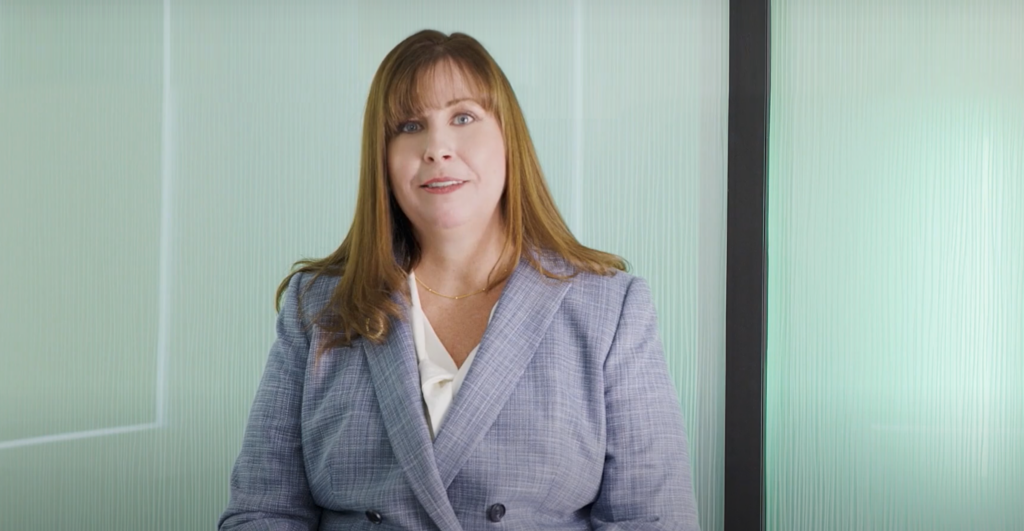
My name is Dave Askew. I am a Managing Partner here at Mercer Advisors. Today, we’re gonna be talking about estate planning and the decisions behind the documents. I’m joined by Jenna Elliott, who is the Vice President of Estate Planning here at Mercer Advisors. We want to thank you all, at the start for submitting many of the questions that we’re gonna be covering today when you went through the registration process.
We actually built this forty five minute or so presentation mostly around a lot of the questions that were asked on the front end. If you do have questions as we’re going along, please use the Q and A, function of the chat feature.
We will spend about forty five minutes going through this deck and then open it up, the last ten, fifteen minutes or so to answer any live questions that you may have. This is being recorded, and it will be posted after the presentation. And I believe we can disseminate many of these slides to your advisor. So if you do have questions that we don’t cover, our recommendation after this would be to reach out to your advisor to ask your specific questions and request a copy of the presentation.
Let me introduce, my colleague and friend, Jenna Elliott. Jenna, I will kick it over to you for a quick introduction.
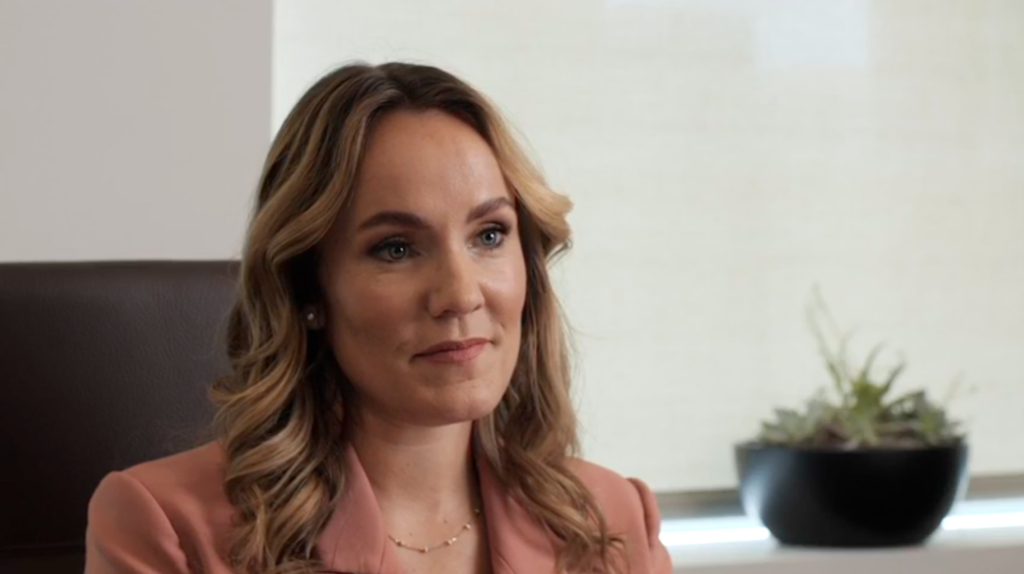
Thank you, Dave. Alright. Well, thank you all for joining us here today. I am Jenna Elliott, again, the Vice President of the Estate Planning team here at Mercer Advisors. I am an attorney by trade. I live in Southern California with my husband and my four kids. Really happy to share a little bit about estate planning with you all here today.
And in any good presentation, we’re gonna go ahead and put the disclosures up on the screen. We’ll give everyone a short minute to review that, and then we’ll get into what the agenda is for today.
So today, we’re gonna primarily be covering these four topics. The first is understanding the key roles, behind trustees, executors, and agents. We’re gonna be talking about choosing the right people to fulfill those jobs. We’re gonna talk a little bit about how to talk with your family about your plan, and then we’re gonna talk about ways of keeping your plan current. And as I said previously, we are going to be covering, most of this in the forty five minute presentation and then open this up for q and a, for the last fifteen minutes or so.
Jenna, I’m gonna go ahead and kick it over to you to cover the first topic, understanding the key roles.
Alright. Thank you. So before we dive into making decisions, we wanna make sure that everybody has a a solid footing in what the key roles are, what that looks like so that you can make sure that you are identifying the correct individuals.
When we start here with who’s going to be administering your estate, there are a couple of different documents that can be used to direct where your assets go at your passing. There’s a document called a trust, which allows you to specify what happens during your life if you become incapacitated as well as at your passing. And then there’s another document that is known as a will or a last will and testament. This document, it directs what happens at your passing. It does not address what’s happening during your lifetime.
The difference between the two is, will is generally subject to a court process known as probate. Probate is the court driven process where a judge is going to, affirm that you have a valid will, and you allow your executor to go ahead and administer your estate.
So when we think about these roles, the title of the role, although it’s very, very similar in what they’re going to do and their function, the title just depends on the type of document that, they’re gaining their authority from. So within a will, that term is called an executor. The executor will administer the estate after the judge gives the green light.
Through a trust, a trust can avoid probate, and in the trust, that role is called a trustee.
Because the role of the trustee can actually start during your incapacity while you’re alive, this role can actually last a really long time. And so we wanna be thinking about, for for these, what is the duration of time?
What are the responsibilities? They’re making sure the assets are passing along to your beneficiaries.
An executor, sometimes also referred to as a personal representative.
An executor is going to follow the terms, of course, as I mentioned, of the will. But at the end of the day, the duration that they are actually working is going to be roughly around a year or two, generally a little bit less.
For a trustee, that can be years or even decades. So very different term of of years here.
When we think about the next role then for the agents that you’re choosing beyond the administration of the estate, we’ll be thinking about your financial and health care agents. And for the financial and health care agents, we’re gonna be looking at if we wanna slip to the next slide here and get flipped back on us. Alright. So this role here, the financial agent and the health care agent, we don’t just wanna choose the the agent.
It doesn’t have to always be the same. Right? So the health care agent, the financial agent, these are often different in in your documents. The financial agent is going to be responsible for paying your bills, contacting utility companies, things like that.
Whereas your health care agent is going to be responsible for making your medical decisions.
So things like, are we going to stay on life support? Do we elect to have a certain surgery or treatment plan? Those types of things. So these decisions are happening while you’re incapacitated. You cannot make those decisions for yourself, but we need to specify who is going to do that for us.
So now that we have an understanding of what the roles are, let’s talk about how we’re selecting the correct people.
When we look for who we’re gonna name as these decision makers, the people that are handling all of these affairs, you wanna be thinking about who is best suited for the role, not necessarily who am I closest to. If we’re looking at who I’m closest to, they may not be able to do the role and function. So when we’re identifying these, you wanna look for someone who is organized in roles that require more organization, like the financial roles. You wanna make sure that the individuals you choose are in fact trustworthy, that they are going to do the right thing when no one else is looking, and they’re also going to put your wishes ahead of their own.
We wanna think about what their lives have going on. Right? So if you have loved ones, they’re very close to you, but they are extremely busy professionals. They do not have a lot of downtime in their personal lives.
This may be disruptive for them to handle your financial affairs. So we wanna be thinking about a variety of things when we are identifying who is going to make your decisions on your behalf.
As we dive into it, we really wanna make sure that the people that you name are going to also be willing to serve. So one is the ability to serve, and the other is a willingness to serve.
And when we think about identifying for health and financial matters, those individuals and the characteristics that we’re looking for who’s going to serve best in these roles, those are actually very different.
Sometimes it is the same person can do both roles. Other times, it may not work out that way. So for health care decisions, you wanna identify someone who can stay very calm under pressure. This can be a time where emotions run high. We need someone who can make decisions and and keep it together during these times because it can be very challenging when your agent has to act on your behalf.
In choosing someone for health care, you also wanna ensure that you’re naming someone who will honor your wishes. Right? If they have different views than you, are they going to be able to make the decisions that align with your wishes?
They’re not gonna put their own wants and needs ahead of your preferences.
And then another one is who is going to be available to make those decisions physically? Who’s gonna be the person that will pick up the phone at 2AM and take that call from the hospital?
Really ensuring that the individual here is going to be able to do the function.
On the other hand, when we’re looking at identifying a person for financial matters, this is more in the spreadsheets. Who’s gonna be able to get up to speed with your assets, understand what you have and how to handle those financial affairs, who’s very organized and keeps good records, who’s gonna be able to work well with your CPA, your attorney, other professionals that you’re working with, like your wealth advisor.
These are I do wanna be clear. We do not need the individual to be an attorney, CPA, or wealth advisor, but someone who can work well with and knows where to pull in those professionals to assist.
So those are generally the things that we’re looking at when it comes to selecting the individual.
Another thing that comes up, and this is a question we get asked a lot, is how do you know when to name an individual to serve as your trustee versus when are you gonna name a corporate trustee?
And generally speaking, what we notice is an individual is tends to be selected when it’s a a more straightforward estate, a straightforward plan, a shorter duration. So having a trust that is in place for the benefit of minor children. But once they reach an age of, let’s say, 30, they get to take control of their own inheritance. At that point, naming an individual trustee can work really well.
This works really well when because the individual often has personal knowledge and relationship with the beneficiary, and it works especially well when there’s low conflict involved in the family, especially between this trustee and that beneficiary, which, on the flip side, explains why you might name a corporate trustee. For a corporate trustee, these are gonna be named when we have plans that are more complex. There’s more administrative hurdles to maneuver around. And so one of the things that we commons commonly see is that a corporate trustee will be named for a supplemental needs trust where you might have a loved one or beneficiary who is receiving some form of governmental aid, and we wanna ensure that we’re not disqualifying them for said aid.
So we’ll name a corporate trustee who is highly skilled and knowledgeable in this area and can ensure that any distributions that they’re making from the trust can go to benefit for the beneficiary without triggering any disqualification of that governmental aid.
Situations maybe where there’s some family conflict, a corporate trustee can be a really solid option.
And then just know that if you have highly specialized assets, ensuring that the corporate trustee is named so that they can handle them. Oftentimes, individual trustees may not have the level of knowledge in those assets.
Dave, one of the questions that came through as we were preparing for this is, how do you choose a corporate trustee?
Right? And so for for the corporate trustee, things that clients are looking at, they will consider the cost of the corporate trustee.
I would say, in our experience, and, Dave, you can chime in here as well, we see somewhere around a half of a percent of the assets within the trust is going to be the the rate that can, of course, go down with the larger trust balances.
Anything you wanna add there?
You’re 100% right. We tend to see, most corporate trustee services starting somewhere around, 50 basis points or point 5% and then potentially scaling down from there depending on the complexity. Complexity does not necessarily mean the amount of money at play. It oftentimes means the number of business, the number of properties, collectibles, and things of that nature that the corporate trustee will be in charge of either distributing out to families or to charities or potentially that need to be sold, and proceeds distributed out to beneficiaries. So it is oftentimes when considering corporate trustees, looking at a couple different ones to see not only what their fee structures look like, but what their time of implementation is.
Jenna, we actually have gotten a couple live questions that I think would be wonderful to weave in here. The first one is, can an individual trustee also be a beneficiary?
Ah, great question. So, yes, an individual trustee can absolutely also be a beneficiary. We do see this happen where you have assets going to an individual, like a adult child who is pretty financially savvy, can handle their own affairs, but we might wanna build in some asset protection for them. So they might be named as their own trustee. They’ll be the beneficiary, but they’re also their own trustee. So that works really well for for those individuals, like I said, that are not the spendthrift situation where we’re worried about how they’re going to handle their inheritance.
Wonderful. And then we got a couple questions about corporate trustees. One of them coming from Jonathan who asked, is a corporate trustee a professional person, like a lawyer, financial advisor, etcetera, or is it a firm like Mercer?
So great question. With a corporate trustee, there are a number of ways that they can be, appointed. We see banks can serve in this capacity. Trust companies can serve in this capacity. Mercer Advisors, we do have a a partnership with a corporate trustee, a couple of them. And so if this is something that you are considering, certainly something to discuss with your advisor.
By having that relationship, it allows Mercer advisors, your advisor you’re working with, to be the point person, generally speaking, for your beneficiaries, and then the corporate trustee is working in the background doing those administrative functions.
Thanks, John.
Now absolutely. One thing I do wanna point out, this is a question we get pretty frequently. A corporate trustee can serve as your trustee. Right?
Part of the name. But some corporate trustees, not all, will also serve as an executor. So if you have an asset that you didn’t get into your trust during your lifetime, they can go through, act as the executors. You can name them in your will to direct what happens to your assets.
Not all corporate trustees serve in this function, so it’s something to consider when choosing a corporate trustee if that’s something that you need.
In addition to that, some other areas where corporate trustees are even less frequently doing is work such as a professional fiduciary with your financial powers of attorney or your health care powers of attorney. So if you have if you’re in a situation where you don’t have any close loved ones that you want to name as the individual serving as your health care or financial agent if you’re incapacitated, you can do one of two things. One is to just go out and search for a professional fiduciary.
Another is there are some corporate trustees that do offer this service, so it it can help to to look into that. If you’re considering this, if you need that support, reach out to your wealth advisor, and they can help, put you in touch with some options.
Alright. So as we’re talking about who we’re choosing, how we’re selecting the individuals, these are common things that we see. We wanna make sure we avoid them if we can.
One, and this is the most common thing historically, what people have done in choosing who’s going to handle their affairs is they’re going to name by default. They’re going to say, well, we’re gonna name the children in age order. My oldest will be first in line and then go down the list. And the the fact of the matter is these days, that just does not make a ton of sense in a lot of families. A lot of families, maybe the youngest is a doctor, and so we wanna name the youngest as the health care agent first in line.
But the middle child is a CPA, and maybe that’s the best option to choose for the financial power of attorney and for the trustee type of roles. So those are things that we wanna be thinking about. Don’t just name by default. Make sure that you are putting in some time thinking about who is best suited for the role.
Another common thing that we see, especially in reviewing estate plans, is not naming a successor.
So when we have these documents in place, we put them in place to ensure that you have someone to handle your affairs when you’re not around to do it or you cannot do it for yourself.
If we only name one person, that person’s unavailable.
It’s as if you didn’t have the document to begin with. So all of that great planning kinda goes out the window.
Instead, what we recommend is always name at least two, but even better is three. I always say two people after a spouse is a good rule of thumb in terms of an order of progression of who’s gonna serve and handle your affairs, and that ensures that there is no gap down the line.
And then the third thing that we commonly see is people will do all of this planning. They’ll do it in a silo, and it’s all hush-hush. It’s very secretive. No one knows in advance who’s named to handle these affairs.
And the importance there is if you don’t tell your son you’ve named him to be your financial agent, It might be a surprise, and it might be something that he’s not as comfortable or willing to to do as you might think originally that he would be. And so having those conversations, don’t surprise anyone with, hey. By the way, surprise. You are my agent.
Tell them in advance. Have the conversations. Make sure that they are comfortable with the role. Because if they decline to serve, it’s as if you didn’t name them to begin with.
So we really wanna make sure that they are prepared, and they know what’s coming.
Jenna, we got a great question from Chris, which was, when using either an individual or a corporate trustee, is there a checks and balance provision? Is it recommended to have two people, for decision making purposes?
Wonderful question. We do often see an individual trustee coupled with a corporate trustee where we have a situation where a family member is the individual trustee. They know the beneficiary. So especially with spendthrift children or children that just need a little extra hand holding, they have someone familiar they can turn to.
But then on the corporate trustee side, the corporate trustee is handling all of all of those administrative pieces, so the individual trustee doesn’t have to dig into that as much and get pulled into that side of it. So we really do see this is not situation with an individual or corporate trustee. You can name both serving at the same time.
Thank you.
Yes.
So before we move on, I do wanna just make sure and highlight a few other roles that you may have heard about and ensure everybody has this in their back pocket. The successor trustees, we were just talking about successor agents, ensuring that we have named someone to step in and handle the administration of the trust in the event that your first choice trustee is unavailable.
A guardian for your minor children. This is really important. If you have minor children, we wanna specify who’s going to handle their care, who’s gonna take care of them during their while they’re minors.
This role is not the trustee role. Often, see a guardian is actually different from the person who is the trustee of the trust for the minors, and there’s that separation and the check and balance that can really be beneficial to ensure that the assets are really used for the benefit of the minor.
A trust protector is common question is, is a trust protector the same as a trustee? And the answer is no. A trust protector is really a role that does not often get used, but is often put in as a backup provision in the documents.
It helps to ensure that if there’s an ambiguity in the documents that was not made clear that it was going to cause confusion down the line, they can go in and click clarify, clear that up.
It really ensures that the trust can last generations in a way it creates some flexibility for for the trust.
And then finally, beneficiary designations. This is not the same as who did you name as beneficiary in the trust. Beneficiary designations are what you complete with your financial accounts, like a four zero one k or an IRA, these retirement accounts. You’ll see it on life insurance policies, things like that, where you’re naming the beneficiaries. And keep in mind, those beneficiary designations, it is a contract with the institution, and, therefore, whatever is on that beneficiary designation is going to control. So if that is different from your trust, the the trust does not get to override the beneficiary designation. The beneficiary designation wins.
Yeah.
We have a few
more great questions that I think might be pertinent to answer here.
The first one is, what happens if someone you named as a trustee declines?
Yes. So if the individual you name declines to serve as trustee, then it’s gonna roll to the next person that you have indicated.
If you’ve run out of individuals, this is where we’re gonna need to have some court intervention to get someone appointed unless the terms of the trust allow for the beneficiaries to choose, or there’s some other provision that allows for the designation if there is no trustee named.
Wonderful. Another question that came in, is what happens if a trust protector disagrees with the trustee? Who actually has authority?
So great question. The trust protector is so think of the trustee is responsible for following the terms of document. The trust protector is responsible to uphold the integrity of the document and ensure that it gets that it generally gets honored. The intentions of the grantors are honored. So at the end of the day, the trust protector, if something needs to be changed, would control.
Great. Thanks, Jenna.
Yep.
Wonderful. So when we are talking about all of these things, and and I mentioned earlier that we wanna ensure that you’re having conversations with your loved ones, Dave, how do you help facilitate for your clients those conversations? What does that look like?
Yeah. So, family planning conversations can be extremely important.
Jenna, as you previously mentioned, oftentimes, we’ve seen situations where beneficiaries and trustees don’t even know that they’ve been, selected in advance. And so one of the things that we have seen be extremely valuable is the idea around a family meeting. And, again, every family’s dynamics are different. And a lot of the ideas that go into governance and and family dynamics planning is really getting a good under understanding of who the key players are, what potential issues might be at play, and all that happens through conversation.
Again, as I previously said, every family is a little bit and we’ve seen situations where, potentially mother and father want to discuss privately their assets without certain kids in the room, or they wanna wait until a certain age where they’re comfortable having those conversations, with the full family present. We’ve seen other situations where families decide that they just wanna share the basics, to prevent any sort of conflict or misunderstanding, earlier in life. And so one of the things that we recommend doing, and and our advisors will coordinate this with you and your family, is discuss what is important to be, discussed in advance, what should be documented and delivered, via paper.
We’ve seen a a number of families that have decided to just, have, again, a very casual, frank conversation around who’s going to be administering the trust, who the beneficiaries are, and leave it as at that, and then submit a document with their trust binder so that when the trustees take over, there are notes and instructions in there that talk about why certain decisions were made.
Now, again, there is no right or wrong answer here. It really comes down to what you are most comfortable with, in information sharing.
Part of the part of the process or the plan in doing this is to really reduce or prevent conflict and disputes amongst family members. I’ll give you a real life example. I’ve worked with a client where they had both a son and a daughter, and, the the son was actually actually an attorney by trade. The daughter was a nurse practitioner, and the son was the the older of the two siblings was actually a little offended that, he wasn’t selected to be the health care power of attorney.
And, the family had a conversation about it, and they said to their son, look. You’re extremely busy. You are an attorney by trade. You are your contracts attorney.
We want you to handle the financial matters. Your sister, although younger, is a nurse practitioner. She’s going to understand the the doctor speak of sorts better than you, and we would feel more confident having her with her knowledge and background help administer our plan as our health care power of attorney. Had they not addressed it, had they not discussed it, there would have been a lot of friction between those siblings.
And by giving a platform in a family meeting to allow these conversations to to take place, we actually mitigated and reduced a lot of that family friction. These conversations can be awkward. They can sometimes be upsetting.
And so creating a safe environment either in a, you know, a very informal setting, but have it, you know, administered by an advisor or someone who has a background doing this can actually alleviate a lot of that, concern and create a ton of peace of mind across the generations in a family.
So, Jen, I think, you know, when we see these conversations at play, it’s really important to kinda figure out who the key players are. And some of the questions that have been coming in in the live chat are, who are the people that I should be having in these roles? And our estate planning team, along with our advisors, can actually help build out a family road map. For many of our clients that have gone through estate planning, they get to see their diagram in a picture form.
Jen, I know your you and your team do that every day, where there’s a flowchart of sorts of how the assets are gonna be distributed, who’s gonna be decision makers in different instances. And we oftentimes encourage our clients, when comfortable, to share that diagram and some of the thought process behind it with their beneficiaries and selected trustees. So everyone’s on the same page as to who the key players are, and the family can then discuss, if necessary, why certain people were chosen for certain roles.
I do think that in these conversations, especially on the front end, it’s extremely important to lay out what’s in that binder that is presented to them that covers the will, the trust, the powers of attorney, HIPAA authorizations, things like that, and where those documents are going to be stored. It is oftentimes encouraged that when we prepare these documents for clients, that they keep the hard copy. These are all notarized documents.
They keep it someplace safe, but that they actually digitize those documents as well and give a an electronic copy of these, either through a secure shared portal or through potentially a thumb drive or something like that to the key decision makers so that they’re aware of how to access those documents when the time comes.
All that being said, I do think the most important thing is to really talk about those values and wishes as part of these conversations. We’ve seen a number of times where families, you know, where where generational wealth transfer hasn’t gone the way that the receiving generation would have thought.
Some things that come to mind is larger charitable donations to schools or or museums or places of interest that the parents were very passionate about, and potentially the kids or the next generation wasn’t quite aware of and were oftentimes caught off guard at potential money that they thought they were going to be receiving but went elsewhere. So, again, having those conversations, discussing the context, of what really matters the most, These types of things can be really, peace of mind generating in advance and not left you know, not leaving people to scratch their heads and figure things out after the fact.
And I think one of the things, as I mentioned on the front end, is having these types of family conversations. You don’t have to do this alone. Your advisor here at Mercer and as well as our estate team can help facilitate these in person or even virtual family meetings. You know, having a neutral advisor, an unbiased third party who knows, the key players, who knows the assets at play, who knows the conversation format can really alleviate a lot of the uncertainty in having these talks. You know, our our goal is to, on the front end, have a conversation with the the first generation to really uncover what it is they’re comfortable talking about, what information they want shared and when. And as I mentioned previously, sometimes it’s it’s families not wanting to discuss certain aspects at that time.
And having that neutral advisor who can step in and say, you know what? We’re not quite ready to discuss that particular property or that particular account. We’re still working through that from an estate planning perspective.
Takes a lot of that pressure off of the the giving generation shoulders.
We really do think that there’s a lot of value in that open communication, but, again, doing so in a manner that everyone is comfortable with. This is not meant to be a pressure on, high high stress, high intensity conversation. This is a we’re discussing these matters because we feel like it’s important that everyone be aligned.
Jenna, I’m gonna kick it back to you, and I would love for you to talk about what are some of the tips and tricks that you recommend and your team recommends on keeping your plan current.
I’ve seen some of the questions that have come in. I know you’re gonna cover a couple of these points, but people have said, what if I establish my trust in one state and I move to another? Or what if I have another grandchild? How how often should we be considering these things?
Perfect. Alright. So we’ve signed the plan. Now what? What happens right after you sign? If you do have a trust based plan, we really wanna make sure that we get our assets into the name of our trust.
That is called funding the trust. We certainly need to make sure that we’re doing so. In doing that, it’s also a good time to go back and review those beneficiary designation forms. So for those forms, really wanna ensure that it aligns with your overall goals and intentions.
I say this because, I mentioned earlier, the beneficiary designation controls. If you create your will your trust or your will and you specify everything goes to my now spouse and then my children, Upon your passing, that document is gonna direct those assets there. But what if your life insurance policy still has your ex spouse listed as the beneficiary?
Well, now that ex spouse is going to receive the life insurance proceeds that you’ve been paying towards. Right? You’ve been paying the premiums all throughout your life. That is likely not the intention and goal of that life insurance policy, so it’s just a good idea.
Look at those beneficiary designation forms when you’re funding your trust. Ensure everything is part of the same overall design following your intentions.
Additionally, right after you sign, and Dave already mentioned this, but make sure that your loved ones know where to find the originals so that when they need to act, they have the ability to. And keep in mind for a trust in your incapacity documents, copies are sufficient in place of the original. And so you can always send a copy of the documents to the individuals you’ve named to ensure that if they need to act, they already have a copy on hand.
Going to your next point and and some of the questions that were coming through is how do we ensure that we’re keeping the plan up to date? What is going to trigger a review of your estate? And so there are a couple of different triggers for when to update your estate plan. One is there’s been some kind of a life event.
Two is there’s been a change in the law. So for life events, this is okay. I there’s been a marriage, a divorce. There’s been a birth in the family.
One of your people that you’ve named as trustee has passed away. These are types of things that are gonna trigger at least a review, but oftentimes even an update of the estate plan.
Moving to a new state is a really common one. So I live in California. If I were to move to Oregon, I would want to update my estate plan to ensure that the plan is drafted according to the laws of Oregon. And that is mostly to ensure, because laws are different from state to state, that we are availing ourselves of the best possible provisions that we can within the documents based on what our estate will be subject to.
And then, any major change in your health or finances also triggers a review. Right? We often see clients coming in and want to talk about updating their plan because there’s been a medical diagnosis, or they’re going into surgery or they’re preparing for retirement. These are situations that often trigger someone to come in and review and and likely update their estate plan.
Changes in the law, that’s, of course, a little outside your control, but those are commonly gonna be triggered by changes in the estate tax laws. Anything tax related is going to often trigger a review. Not every change in the tax law is going to trigger a need update your plan, but it’s a good time to just keep apprised of what’s going on, make sure that your documents are up to date.
Ensure that your attorney and advisor flag those. And I think that that’s one of the things that can be really helpful is Dave, I know you have conversations regularly with your clients to ensure that we’re talking about these life events that might be triggering a review. If a change in the law happens, my team keeps the advisors here at Mercer updated so that that can be a part of their ongoing conversations with clients.
Yeah. Jenny, you’re 100% right. I think you we’ve covered some of these under the life events side, but moving to a new state. We’ve seen a number of of instances where there are different, tax rules and laws, that are state levied from moving from where we both are in California to Oregon or Utah, and making sure your plan gets updated accordingly is extremely important. Again, I mentioned this previously. The birth of a grandchild or a divorce, those are those are big life changing events that do require the plan be updated. And your advisor in having your routine conversations and planning updates, should be aware of these things so that they can notify our estate planning team to make sure that we are updating your documents accordingly.
Great.
So while you don’t need to update your documents every year and maybe not even do a full review of the documents every year. It is important to kinda keep in mind every three to five years, you should be updating your incapacity documents. The idea here is incapacity documents, such as the financial power of attorney and health care power of attorney, these documents can be considered stale or outdated after a few years.
And and the reason behind that is financial institutions, health care providers, they get nervous that maybe you have an updated version that names someone else.
So instead, we wanna ensure that if something does happen to you, you become incapacitated, incapacitated, that we’re we’re making it the path of least resistance for your agents. They’re able to smoothly step in and handle your affairs. So even if you’re not changing the order of the individuals named, having a new wet signature on a document every three to five years is going to be really, really important.
If it’s longer than that, what may happen is the financial institution might say, okay.
I hear that you are named in this document, but I’m gonna have you go down to the courthouse and have a judge tell me I have to honor this before I do so. And it’s just a little bit of, liability protection that they’re they’re trying to to create there for themselves. So it makes sense, but that is the the rationale behind the three to five year rule of thumb. You I think I saw one of the questions pop up that had said, well, what happens if a financial institution doesn’t want to accept the document? Again, you can go down to the courthouse and and have that enforced.
But, honestly, sometimes, it’s just making sure you’re talking to the right person at the financial institution.
In my family, we we came across this with my own grandparents, and my mom stepped in to start handling the affairs of my grandma, and the bank declined her. And so I called, and when I called, I called the 1800 number, and they said, don’t stop at the teller. Make sure you at least get to a personal banker, and they will generally accept taking the document. Their legal team will review it to get that honored. But I do mention that because I I have seen that in my personal life, but we see it with clients a lot.
Alright.
So, Dave Yeah. I’m gonna hand it over to you. How can we help?
Yes. Jenna, it’s a great question. I’ve seen this question come in from a couple people on the chat, which is, what can Mercer Advisors actually do to support you over time with these with these matters? I’ll start by saying you should be having a regular check-in with your advisor to discuss life events and law changes as they arise.
Jenna mentioned that her team supplies all of the advisors here at Mercer updates around estate planning tax law. And so our advisors are prepared to have those conversations. If there’s a question that they can’t answer on the spot, we have a resource team where your advisor can take your specific question and go and get it answered for you. So we don’t put the onus on the advisor themselves.
They have full access to our team of experts to get your questions answered. We encourage everyone to update their plan regularly as they are going through life changes. Again, previously stated birth of a a grandchild, change of your own intentions or wishes, move to a different state, things like that. So have active and ongoing conversations with your advisor during your routine routine and regular meetings, consider trustee services or co trustee services.
A lot of the questions that have been coming in via the chat, and we’re gonna try to answer as many as we can, have been very much nuanced to family specifics.
And, again, you’re gonna know your family better. And if you have a concern around anything, just referencing some of the questions that have come in, substance abuse or spend thrift issues that you’re worried about, or does it make sense to, I saw a comment from Chris, potentially, select an in law that you might trust more with decision making as opposed to one of your own children or even another separate family member or friend, have those conversations with your advisor. They will bring in one of our estate attorneys from Jenna’s team to really make sure that you’re comfortable and you know all the potential pros and cons of any of those types of decisions.
And then I would really encourage everyone to consider having a family meeting at some point. These are not meetings that necessarily have to happen every year. We oftentimes see the cadence align with that kind of three to five year stale document window that Jenna was talking about. How frequently should we be updating?
How frequently should we be having these conversations around what’s most important to the family? What are some of the wishes and intentions and life lessons even that want to be passed down generationally. You know, we think about financial planning as peace of mind planning, And oftentimes, that goes beyond just the dollars and cents. It really does get to what is the the the values of the family.
What are some of the, you know, oral traditions or family stories that need to be shared for future generations to really understand the impact of the money that they’re potentially inheriting. So our recommendation again would be to have those ongoing family conversations, coordinate that with your advisor and the estate planning team at Mercer to make sure that everyone is aligned and everyone is communicating clearly.
Jenna, I’m gonna kick it back over to you for key takeaways.
Wonderful. So, hopefully, this all resonated with all of you.
Things to think about for choosing your people. Just as a reminder, don’t focus on birth order. Think about the right fit for the role.
If you have more complex needs, consider that corporate trustee, those professional fiduciaries to handle your affairs.
And then just in terms of keeping that plan up to date, this is a living document. Right?
Having those conversations, I think, Dave, you said it very well. Very important to have those conversations. Let us help you with that.
Review your documents. Your incapacity documents should be updated every three to five years, and then just look at the fiduciaries you’ve named and beneficiaries anytime there’s a change in your life events or if, there’s a change in the law.
So I hope that helps.
Dave, what questions do we have that are
Yeah.
Jumping out?
We’ve got about ten or eleven minutes left, and we’ve got a ton of questions that have have come in over a 100 that still are open or unanswered. And so I will do my best to either answer these or, Jenna, get them to you. If we’re unable to answer these in the next ten minutes, again, please reach out to your advisor. We’re going to take a list of these questions and cross reference them and try to make sure we get these questions to your advisor as well.
That may take a little bit of time. So, again, we would encourage you to reach out to your advisor here at Mercer to ask these questions if they don’t get answered.
But, yeah, I’d like to start with one that I that came in and I thought was was actually really interesting, which and and this will take us back a few minutes in the presentation. But someone said, what should I be doing with my IRA? I can name a beneficiary.
Should I be putting that into my trust? And I’d love to hear your thoughts on that.
Great question. Generally, with retirement assets, these assets are treated very differently than your other assets, for tax purposes. Right? You you put away the assets for retirement, save it for that rainy day.
Now if you try and take money from that too soon, you’re hit with a penalty. But while the assets are sitting in that account, you benefit from some government level protections over your qualified retirement plans. And so with those assets, when they pass to your beneficiaries, if you didn’t pay tax when the money went in, tax is due when the money comes out. And when you name a child or really a non spouse, what it’s gonna do is it’s gonna trigger that all of the assets in that account have to come out within ten years, absent some exceptions. Within ten years. So as you can imagine, paying tax on all of the money that you’ve put in your retirement over the span of ten years, and that is ordinary income.
Right? That’s a a big tax hit that can happen. So to the question now of what do you do with it? If you name your revocable trust as the beneficiary, instead of getting ten years, it could trigger a five year force distribution so that if ten years is bad, five is is even worse.
We don’t wanna cause those tax consequences for your beneficiaries. If you are looking to pass these assets along to your children and give them a little bit more asset protection, consider a retirement trust. A retirement trust would help to keep the assets in a more protected format so that they may benefit from some asset protection, some creditor protection. Or if they’re divorced, it makes the assets very clearly their own separate property assets.
Thanks, Jenna. Another question that came in, said, if I’m moving to another state, should I find an estate planning attorney in that state, or can I work with my current attorney in my current state?
Great question. You wanna make sure you’re working with someone who is licensed in that state or has an agreement with someone who is licensed in that new state. So if that same attorney, right, thinking about the situation I mentioned moving from California to Oregon, if my if my attorney is also licensed in Oregon, I could utilize them. But if not, you probably wanna use someone in Oregon to ensure that that is valid. They’re gonna know the ways to keep the plan up to date and avail themselves of the the best possible tax planning strategies within the trust.
Awesome. Thanks, Jenna. I we got a question. Does Mercer provide basic will trust POA health care directive services?
Great question. The answer is yes. We do have the ability.
The way that that works is if you’re interested in receiving all of those services, you can work with your advisor. Your advisor will help kick off that experience. There are a couple of different options for that. One is more of a self directed version, and another is to work with licensed attorneys who are gonna operate under a law firm to go ahead and implement those documents for you. So, let your advisor know if you’re interested, and they can talk you through the steps to get that process up and running.
Wonderful. Another question that came in, and and this references back to something that you said previously, was, what do you mean by retitling funds?
Great. So when we were talking about the trust, when you create a trust, a trust is, the document that you’re creating. It for the purposes of this discussion, I’m gonna mention revocable trust. A revocable trust means you can change it during your lifetime.
It’s just directing what happens to your assets that you’re passing. During your lifetime, you still get to benefit from those assets. You have full control of them because you will be the trustee of your trust during your lifetime in most instances. But in order for the trust to operate, we need to make sure that we get the assets into the name of the trust.
Right? So the trust is associated with your Social Security number. This is not considered a sale event. I think that’s a question we get pretty frequently.
But making sure that your brokerage accounts get titled into the name of the trust, ensuring that the deed has the name of the trust on it now. Those are the types of things. For your bank accounts, making sure that those get to the trust as well. So that is the the way the way to do it is to retitle, in those instances, but it is very important that it does not remove your ability to have full control and unfettered access.
Then another question that came in, I think, is fantastic that we should cover is what are things that should not go into a trust?
Ah, so things that don’t go into the trust.
Vehicles don’t need to be titled into the trust, generally speaking. Those can stay in individual names. There’s they’re a lot easier to, go ahead and transfer upon the passing of an individual.
Again, the IRA assets, not that they shouldn’t go into a trust, just not the revocable trust in most instances to avoid triggering that five year rule.
Your tangible assets, things that don’t have title, how are you gonna get it to the trust?
There’s generally a document that is called an assignment of your personal property, and that says any of the assets I own, my books, my furniture, my clothes, that’s all owned by the trust, and my trust gets to direct what happens to it. So, although it does go to the trust, it doesn’t actually have title to do so.
Jenna, I’m gonna add one more comment here. I’ve seen this, in practice where if a family had we’ve recommended to a family that they have a bank account, with both the parent and then another trusted family member. This might be the trustee, but they’re not listing that bank account being owned by the trust. It might be co owned with a transfer on death provision in place.
And we saw this a lot back in 2020, that once your family has notified financial institutions that you have passed, everything gets locked down. No assets can move in or out, until a death certificate and a claims process has started. Back in 2020 during COVID, we saw government shutdowns. We saw the time from death to actual death certificate in hand being weeks, sometimes months.
And so during that process or during that time, a lot of our attorneys were recommending open up a bank account with the parent and either, again, a a child or a the whoever the trustee is going to be to make sure that in that frozen or lockdown period, there is still money that can be accessed. The the transfer on death would transfer transfer those assets. This could be 5 or $10,000 to help cover final expenses or to pay off credit card debt or something after the family member has passed before access to the, estate or trust assets is accepted.
So that’s another common rule of thumb that we’ve seen and and would oftentimes encourage families to consider. We have time for one more question.
Let me pull this one. It’s in regards to, home ownership, and we’ve seen a couple things in regards to people’s primary residences.
There was actually one tip that I think came in from John that was recommended that, anyone who is listing their residence or rental properties with the, ownership titled as the trust, make sure that you are updating your insurance company to show that your trust is an additional insured on those properties, to avoid confusion. But the question that came in, came in in regards to putting a home in a trust even if you’re still making mortgage payments. Would you prefer the family sell the home and split the proceeds at passing? And and, Jen, I I there’s two questions there that I can infer. The first one is, can a home go into a trust if it still has mortgage payments on it? And then secondarily, upon passing, what should someone consider do in that scenario?
Great. So when it comes to the first question, the answer is generally, the answer is yes. You can put the home into the trust, but you will want to reach out and let the lender know that you’re doing so. They may ask for a letter that specifies that it is an extension of yourself, that you are still going to be the beneficiaries of it, all of that information. But it is generally possible to to put that into the trust, and we have many, many families that choose to do so.
Beyond that, the second piece of that question, going back and making sure that I have it correct here, is upon the passing of someone, if there’s an outstanding mortgage. Was that the question, Dave?
The question that was really, I think, after passing, what should someone do with that asset?
And I I think the the takeaway answer would be, hopefully, that’s been prediscussed and documented in your trust.
What is the administration of said asset, and is it passing to a family member? Was it designed to be sold and the proceeds distributed to the family members? Those are, again, some of the conversations that should be happening in advance with both your estate attorney and even potentially with your kids.
We’ve seen instances where one child thought they were going to inherit a home, and there was another family member who had been told that they were going to receive some cash from the sale of the home once someone passed away, and that did cause some potential conflict when someone thought they were going one person thought they were going to inherit the home, and the other thought they were going to get cash from the sale of the home. So, again, having those conversations is is so valuable.
Absolutely. I agree.
Well, Jenna, I wanna thank you for all of your efforts, and trying to answer as many of these questions as possible. As previously stated, we are going to be distributing out this deck to anyone who’s registered. If we weren’t able to get to your question, please reach out to your advisory team. Ask them directly, and we will do our best to get all of the questions that came in, from recognized names to your advisor to follow-up. I wanna thank you all for your participation, and we look forward to working with you in the future.
Thank you.
Have a great day. Bye.