

Key Points Covered in this Podcast:
- Retirement readiness requires a strong financial plan that can withstand market fluctuations.
- Emotional and relational signs, such as friends retiring or children leaving home, often signal it’s time to retire.
- A desire to pivot careers, escape a bad boss, or avoid learning new technologies can also indicate readiness.
- Health concerns or a shift in priorities can make retirement a more urgent consideration.

If you have a good, strong foundation, a financial plan in place, the signals start to become clear, and you stop asking, ‘Am I ready to retire?’ and you start thinking about how you’re going to live that retirement.
Transcript
The content shared on Your Life, Your Wealth Network reflects the views of the host and guests of the program only, and are not necessarily the views of Cordasco Financial Network or its advisors. This media production is educational in nature and should not be construed as financial, legal, or tax advice or a solicitation or presentation of sale of any financial products or solutions. Please consult a professional prior to making any financial, tax, or legal decisions.
Welcome to the Your Life Your Wealth Network, helping you find clarity and comfort for your life and wealth.
John Walker
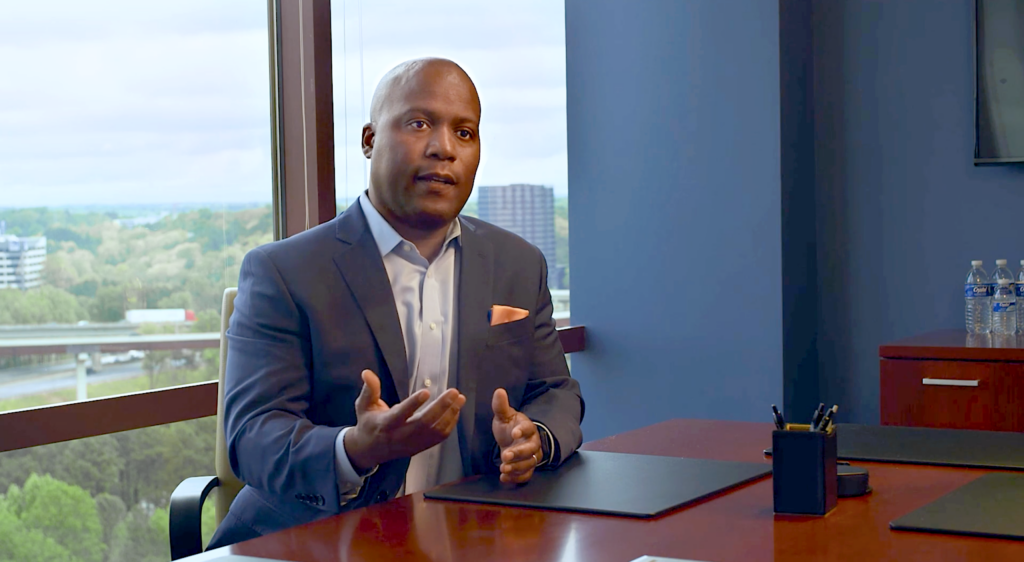
Hey, welcome to the Your Life Your Wealth podcast. I’m John Walker, Regional Vice President at Mercer Advisors. Always a pleasure to be with you. And today we’re gonna talk about something we never talk about, retirement. No, I kid, I kid. We talk about retirement all the time, but, you know, in thinking about it, retirement doesn’t actually usually announce itself with this big loud fanfare. There’s not trumpets blaring and you just have this immediate recognition like, yep, it’s time. I’m gonna, I’m going to retire today, right? It’s not this one big event. It’s often a long progression where you see signs along the way that start to show you or quietly nudge you towards this idea of, you know what, maybe this is something I really should do. Maybe it’s time to take the next exit. Maybe it’s time to start the next chapter of my life.
So, today, we’re gonna talk a little bit about that collection of signals you should be looking for. Ones that are not only financial, but also emotional and personal, right? Things that start to give you cues and clues that maybe retirement really should be sooner rather than later. And to help me discuss those signposts you should be watching out for is my great friend and colleague, CERTIFIED FINANCIAL PLANNER® and market leader here at Mercer Advisors, Mr. Jason O’Meara. Jay, welcome to the show.
Jason O’Meara
Hey. Hey John, thanks for having me back.
John Walker
Absolutely, right. And, and so I think, you know, when we help families navigate this process, right, it’s a, it’s a long conversation, right? And, and it’s sometimes and, and often it is a slow progression too towards that, that path, right? But, but one of the things that we, you know, you, you kind of have to start with is the math, right? So, so have you met your financial goals, right? And I think that, you know, that’s a large part of the work we do.
Jason O’Meara
It is, it is because at the end of the day you could want to retire all you want, but if you can’t afford to, well then, then, you know, all you’re setting yourself up for is a lifetime of stress, otherwise.
John Walker
Absolutely.
Jason O’Meara
So, or going back to work when you’re 82, no one wants to do that, right, right.
John Walker
Not really what most folks are looking to do, right?
Jason O’Meara
So that’s not a successful plan.
John Walker
And so, to get to that, to feel comfortable that you’ve met your financial goals requires planning, right? It requires running scenarios to evaluate, does your plan succeed enough times for you to be successful, right?
Jason O’Meara
Can you handle market, every market iteration? You know, there’s going to be the only thing I can guarantee from an investment perspective is there are going to be down markets again in the future. Can you survive them? Can you, you know, can you weather that storm? Do you have enough assets that you can do that? And if the answer is yes, well then move on, right? You can, we can consider retirement. We can determine what that retirement outlook or picture looks like for you.
John Walker
Absolutely. And, and, and some people think of it in terms of a specific dollar amount, even though we encourage them not to. Um, it, it’s often, can we prove to the family we’re working with that they have enough, right? Can we, can we move the narrative from, can I? To why should I, right?
Jason O’Meara
Why should I, why shouldn’t I? What’s, what’s my, what’s holding me here, you know, um, I, I, I mean, I joke with my wife all the time when we would talk about retirement, and I, I always say, hey, if I had $10 or, you know, if I had enough money right now at 42 years old to retire, I would absolutely would.
John Walker
And that’s, that’s the mental progression, right? And, and, and that is, I, I often, you know, you and I have been doing this together for a really long time and, and that is a difficult conversation for a lot of families and, and shifting the mindset from one of saving and investing in that disciplined approach to a future end goal to stepping away from, from maybe the security of a, of an income, learning to live off the resources that you have saved.
Jason O’Meara
That mental shift is brutal. I have that conversation once a week, John.
John Walker
Having to take assets out of things and watch account values go down, right? There’s a, there’s a, there’s an emotional challenge here. But what, what often kind of pushes people to consider it more is looking for the, the benchmarks, the signposts that we often point out around other things that are going on around you that might make you consider retirement sooner rather than later. And one of the, one of the things we, we find, Jason, is we talk about FOMO, right?
The fear of missing out when it comes to investment returns. But what about when it comes to retirement? Because what we find, if your spouse or partner or your closest friends are starting to retire and you’re still getting up every morning at the crack of dawn and commuting or checking emails and seeing them post on social media about their awesome golf round or the trip they just took, you know, you start to maybe feel a little bit differently about what you’ve chosen to do.
Jason O’Meara
Yeah, John, how many times have we been in conversations when we’re planning well before retirement and one spouse says I’m retiring at 60 and the other one’s like, I’m going to work till I’m 70. And I always laugh. I say you’re going to, you’re going to work until your spouse is 60. After 6 months of you getting up at when the alarm goes off to get to work and your spouse is telling you about what their plan is for the day and their day seems a lot better than yours, you’re not going to be able to keep pushing. You’re really not going to be able to keep doing it. Or worse, you start having friends, or I should say the worst is you start having your friends at work retire.
John Walker
Yeah, so even those, and you’re hitting on the important characteristic, which it’s not really about like envy, it’s about connection. You start to lose those connectivity points of, you know, hey, all my best friends at work aren’t here anymore. And now I get up in the morning and go to work while my partner is sipping on a nice cup of coffee and reading the paper, right? And so you start to find you’re drifting. You’re, you’re, the gap is widening with time and so that signpost sometimes isn’t financial, it’s relational. It’s the, I am missing out on these important relationships and connection points in my life. And, and it, we find as well that one of those other connective points that keeps people going to work every day is having the kids at home, right.
Jason O’Meara
Right, you’re 100% right.
John Walker
And so one of the other characteristics we start pointing out to families is, hey, you know what, have the, if the kids have launched. And all that anxiety of, you know, are they going to get a good job? Are they going to be able to get out, are they going to find a good, you know, partner to spend life with? Are, are they, can I finally get them off the payroll and off the, you know, off the cell phone plan, right? You know, and maybe off the insurance like once that has happened? Have they established themselves and maybe they’ve got careers and lives of their own and, and you’re not, you know.
Jason O’Meara
Well, yeah, exactly. And listen, I’ll give you, I’ll give you a very personal story there. My mother-in-law retired when we had our first child. She was done. She wanted to, she wanted to be childcare for us, you know, and that was her retirement. That was her signal. My first grandbaby is coming. I have the opportunity to watch my grandbaby every, every day, right? Uh, or 3 days a week or whatever it would be, right? She, she would rather do that than go to work, you know.
John Walker
And, and, and it’s a great illustration of sometimes life shows you where you should be spending your time, right? And there’s a financial consequence to that too, right? Once you have your own, if you have a family and you’ve gotten them out of the house and you set them up for success or, or feel like that responsibility has lifted. There, there’s often a financial weight that gets lifted there too, right? You and I both are raising families, you know, kids are expensive, right? They, they come with a cost and we love them dearly, but, you know, your bottom line and your expenses will likely drop too once everybody’s out of the house. And, and, you know, it might not be, you know, purely the financial part. It doesn’t mean you got to sell the big house. It doesn’t mean you, but it might allow you to reclaim some of your time.
Jason O’Meara
Or reclaim some of your space, right? Like your time because I know my weekends are pretty much accounted for, you know, I know we got what activities we got with the kids, right, but my kids go off to college and after I’m done crying for a week and a half that my babies are gone, uh, then I’m gonna look around and say I guess my weekends aren’t as accounted for now.
John Walker
Absolutely, right? And so what, how, how should you spend that, that time, right? And it might for many families, it might encourage them to start figuring out how do they reclaim that space for the things that they’re passionate about or for travel or things that they’ve been putting off because they’ve been raising families, right? And so, that’s difficult to do though when you are still maybe working full time and your weekend that could be, could be spent gardening ends up being spent glued to your laptop taking care of reports that need to be done, right? And so it’s just something that you should consider if you are, you know, if you’re finding yourself feeling that way, right? It’s usually a good bellwether that you might be really ready for retirement more than you realize.
One of the other things we find, and, and, and I don’t want to be ageist here, but there is for many people who have been working in a profession for quite a long time. There’s a lot, there becomes almost a technology tipping point where the pace of change, you know, whether it’s the introduction of AI or new tools or platforms or apps or software or things or systems or just not the way you are used to doing things. You know what, it’s OK to admit to yourself like, it’s not that I can’t do this. I just don’t really want to.
Jason O’Meara
That’s the big thing, right? Right?
John Walker
It’s usually not a capability.
Jason O’Meara
Yeah, most people can handle it. I very few. I’ve been in multiple, as you know, John, this is, this is not my first career, right? This is my best career, my longest career, my favorite career, hopefully my career, but not my first. And what I, every time something new came out, a new process, a new thing, I, I always heard people say I’m too old for this. I can’t figure these things out. And in 3 weeks they’re teaching somebody else how to do it, right? Yeah, but if I am at the point where my financial plan is strong, right, and I don’t have to if I don’t want to, that might be the signal to me to say, all right, you know what, why don’t you let the next generation learn this new process? I don’t need to deal with this.
John Walker
And I think that’s it. It’s not, it’s not that it’s not a capability thing. It’s not, it’s generally a, hey, is this where I want to be committed why do I want to learn a whole new process, right?
Jason O’Meara
You know, just to, just to have to, you know. 6 months, say, hey, I’m over this. I’m retiring anyway. Why, why wouldn’t I just move it up, you know, what.
John Walker
And maybe you could direct your talents elsewhere, right? That energy spent on learning, you know, some new software system, maybe you would rather just go put that into something that you’re more passionate about, something that is a hobby of yours, or something that you, you know, again, it’s not about not keeping up. It’s about, is this where I want to focus my attention.
Jason O’Meara
The next step of that is I’ve seen this happen. I just got a new boss, yeah, and I don’t like him or her. Love the job, hate the boss.
John Walker
Can’t, you know, I used to love working here. I’ve been here for many, many years, and I’m still good at it, but I’m not feeling respected, supported, inspired, energized the way I was before.
Jason O’Meara
Exactly, not using names, but. An example, I had, I had 11 family I worked with. I worked under Jane for 20 years. I loved her. Bob came in and I don’t know how he finds his way to work in the morning. I can’t stand that guy. So.
John Walker
Exactly. I mean, and we’ve got, I mean, you and I could tell stories for days about what we hear from, from families we support, but, but, you know, it can give you sometimes the calculus shifts, right? And don’t underestimate, and our listeners would never underestimate the power of like your boss can have a profound impact on how you feel about employment, right? And so, you know, it’s, you think it just might give you an opportunity to pause and reassess and say, look, I don’t, I don’t need this. And if I don’t need it, maybe I don’t have to come here every day, right? And so again, that’s, these are the signs, the signs you should be looking for. And another one, Jason, I think that falls into that similar category is maybe you’re stuck.
Jason O’Meara
Yeah, you’ve maxed out. You’ve maxed out that that that company, right? You’re not, you’re not going to get any higher.
John Walker
There’s nowhere else for you to go, right? Maybe you’ve, you are the big boss. Maybe there’s no other steps left for you. You’re feeling that your growth is being stymied. There’s no real, and if you have that growth mindset of, you know, I want to keep progressing and improving myself and learning more, but there’s just really nothing else to direct your energy to. Maybe it’s time to consider pivoting, right? Maybe you look at other options, especially if you still have that energy. If you still want to be in the game, right? It’s not really about slowing down, but maybe it’s about pivoting to something else. Maybe you have an opportunity to consult or freelance or maybe you start your own business in the field that you’re an expert in or, or something that is a glide path to retirement, right.
Jason O’Meara
Because don’t forget, I mean, we, we, we haven’t said this yet. We’ve said it a million times in the past. If you listened to past episodes, you’ve heard this, but retirement doesn’t always mean stop working. A lot of times I, I always use retirement as a term of transition. To something else, whatever that something else might be. So this might be the last couple of things we talked about might be examples of times where it’s time to transition to something else, you know, maybe, maybe, maybe it’s a step back to a less stressful job. Maybe it’s like you said, consulting because you have years and years and years of experience and, you know, other companies would pay for that. You know, and you’re working for yourself. The bad boss thing goes away when you’re the boss, right? So, you know.
John Walker
I know some people that aren’t always the kindest to themselves too, but you’re right, you’re right, you’re right. And so it’s not the point is it’s not always about slowing down. It’s just recognizing that it might be time to deviate on the path that you’re on to some, some different version of employment slash retirement. I think Jason, the other two, we should highlight kind of go together and they focus around health and family, right? And so whether that is your own health, maybe you, we see this a lot, right? Somebody goes to get a doctor’s visit and they find out something or or or or it happens to a family member, a spouse gets a really serious diagnosis or someone in your life that’s important to you passes away suddenly. The sense of mortality, the sense of where should I be spending my time, right? And things that like work start to become a little trivial compared to the urgency around time and health, right? There are the flashing lights that are impossible to ignore when you start, and sometimes for families that really demands a quick change of focus.
Jason O’Meara
Exactly, exactly, because I always say this, this is, this is your life, right? This is a dress rehearsal. You get one of these and every, every once in a while, life hits you in the face and you have to really take notice, take stock, right? And yeah. As you get older, odds of a health situation increases, and, you know, in retirement planning, we always say that you have your go go years, your slow go years, and your no go years of retirement. Well, if you work through your go go years, all you have left is, is these other years that aren’t as, as fun, aren’t as fruitful. So sometimes it’s, it’s a matter of saying, hey, is your entire identity wrapped up in your job? Yeah, you know, and if so, how do we start to change that? Because you, if you’re listening to this podcast, I need to know you are more than your job. Absolutely. Just like you’re more than a pile of money, right? You know, your accounts are great, but it’s not you. And kind of sometimes you have to do some soul searching and figure out who you are, where you want to be, you know, what’s important to you. And.
John Walker
And listen, those are, those reflections can be difficult. They can be heavy. They can be hard for families, you know, thinking about how they want to be remembered and what, what, what actually gives them a sense of accomplishment. If they look back, what will they regret? But that, that, that conversation with yourself and with your family also can really bring clarity, right? It becomes less about retirement and more about how do I embrace this, this new stage of life.
How do I find purpose and meaning going forward and what we, if the numbers work, right? If the math, maths, we start to find more and more families willing to take that step and and recognize that they can, they can step away and they can finally retire because they want to spend that time that’s left, however long it may be. Doing something that, that gives them more purpose. So Jason, retirement readiness isn’t a single destination, right? It’s, it’s a series, it’s a series of signs. It’s a path. It’s a gradual progression, right? And, and the real skill and what we help families do is, is learning to pay attention.
Jason O’Meara
Right, exactly, and, and again, you’ll know. You’ll know when it is your time. And again, we have all these things, but they all need to couple with a strong financial plan. These will be your little signs, you know, when you say ask me, send me a sign, send me a sign, I should, these, these will be it. But work with, work with your adviser and make sure that your, your plan is strong, and then you can, you can answer all these calls.
John Walker
If you have a good, strong foundation, a financial plan in place, the signals start to become clear, and you stop asking, Am I ready to retirement? And, and you start thinking about how you’re going to live that retirement, how you’re going to spend that next stage of life, how you are going to continue your journey and what purpose it will bring. So that’s probably the most important sign of all. Jason O’Meara, certified financial planner and market leader here at Mercer Advisors. Thanks so much for joining me for this, I think, really important conversation.
Jason O’Meara
Of course, John. Thanks for having me back.
John Walker
And so if you’re, you know, considering what Jason and I talked about, if you’re seeing some of these signs start to become relevant, but you’re not sure if you’re ready, we’re always here to help. Give us a call anytime at 215-558-3500. That’s 215-558-3500, or you can email me at jwalker@merceradvisors.com. That’s jwalker@merceradvisors.com. And as always, if you’d like to learn more about how Mercer Advisors helps families navigate the financial markets, we’d highly encourage you to listen to our market perspectives podcast with our chief investment officer, Don Calcagni, which you can find at merceradvisors.com under the podcast tab. I’m John Walker, Regional Vice President at Mercer Advisors. Thanks so much for listening to the Your Life Your Wealth podcast. We’ll see you next time.
If you’re interested in learning more about applying the principles we discussed to your personal financial circumstances, please visit Cordasco Financial Network at CFNplan.com.



For general information purposes only. No portion of the podcast serves as the receipt of, or as a substitute for, personalized investment advice from Mercer Advisors. All expressions of opinion reflect the judgment of the speaker as of the date of recording and are subject to change. Some of the research and ratings provided in this podcast come from third parties that are not affiliated with Mercer Advisors. The information is believed to be accurate but is not guaranteed or warranted by Mercer Advisors. Different types of investments involve varying degrees of risk, and it should not be assumed that future performance of any specific investment or investment strategy, or any non-investment related planning services, discussion, or content, will be profitable, be suitable for your portfolio or individual situation, or prove successful. This podcast does not imply a recommendation or solicitation to buy or sell any referenced security or engage in any particular investment strategy. Diversification and asset allocation do not ensure a profit or guarantee against loss. Past performance may not be indicative of future results. Historical performance results for investment indexes and/or asset classes, generally do not reflect the deduction of transaction and/or custodial charges or the deduction of an investment-management fee, the incurrence of which would have the effect of decreasing historical performance results. Economic factors, market conditions, and investment strategies will affect the performance of any portfolio and there are no assurances that it will match or outperform any particular benchmark. The podcast may contain forward-looking statements including statements regarding our intent, belief or current expectations with respect to market conditions. Listeners are cautioned not to place undue reliance on these forward-looking statements. While due care has been used in the preparation of forecast information, actual results may vary in a materially positive or negative manner. No portion of the content should be construed by a client or prospective client as a guarantee that they will experience a certain level of results if Mercer Advisors is engaged, or continues to be engaged, to provide investment advisory services. Private investments are subject to substantial risks, including limited liquidity. Therefore, private investments are not suitable for all investors. Options investing involve unique risks, tax consequences and commission charges and are not suitable for all investors.
This presentation may contain forward-looking statements including statements regarding our intent, belief or current expectations with respect to market conditions. Listeners are cautioned not to place undue reliance on these forward-looking statements. While due care has been used in the preparation of forecast information, actual results may vary in a materially positive or negative manner. No portion of the content should be construed by a client or prospective client as a guarantee that he/she will experience a certain level of results if Mercer Advisors is engaged, or continues to be engaged, to provide investment advisory services.
Private investments are subject to substantial risks, including limited liquidity. Therefore, private investments are not suitable for all investors.